
This story began when a familiar place suddenly became unfamiliar.
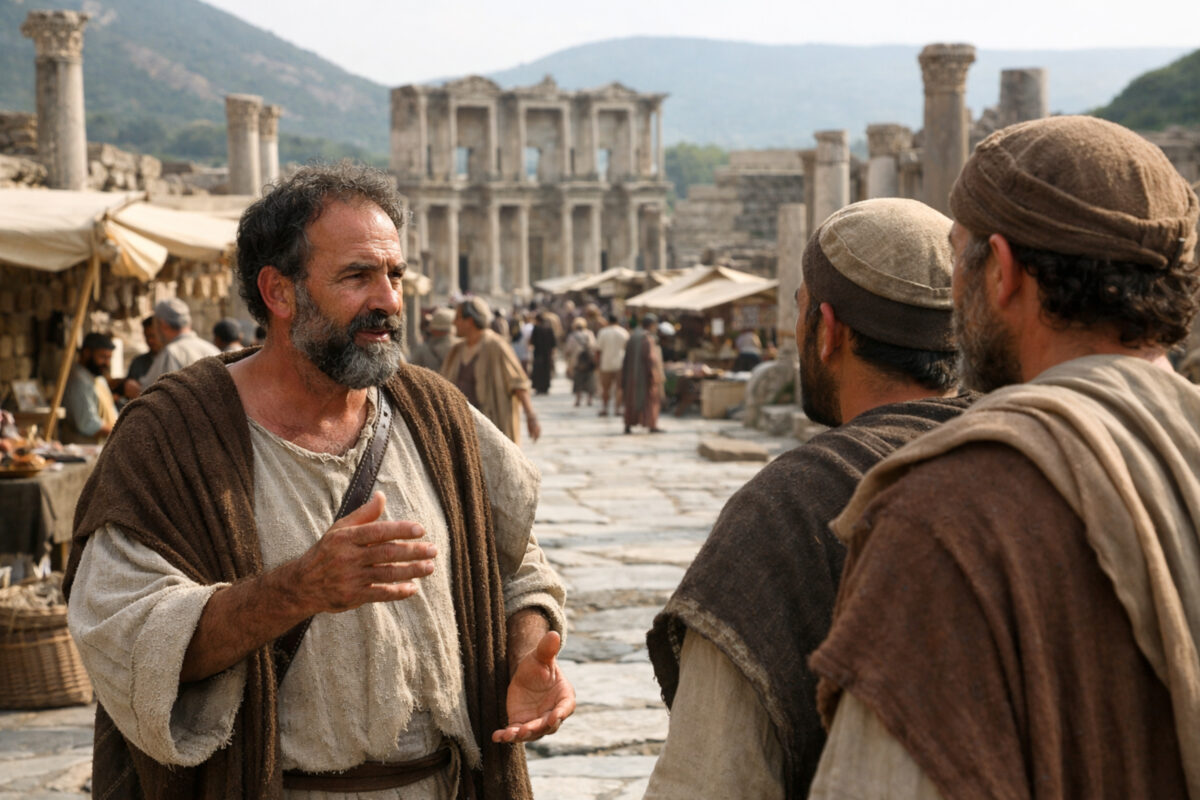
For many years, we associated Ephesus almost exclusively with Apostle Paul. Like many readers of the New Testament, we thought of the city primarily as a setting for Paul’s ministry and letters, a significant stop in his missionary journeys, and little more.
That changed in 2015, when we visited Ephesus for the first time.
Being there forced us to reconsider what we thought we already understood. We began to notice connections we had previously overlooked—especially the longstanding association of Ephesus with Virgin Mary and John the Evangelist. John’s presence in the region, clearly indicated in the Book of Revelation, took on new significance when considered alongside Paul’s time there.
What had once felt like separate strands of early Christian history began to converge.
Discovering Overlapping Stories
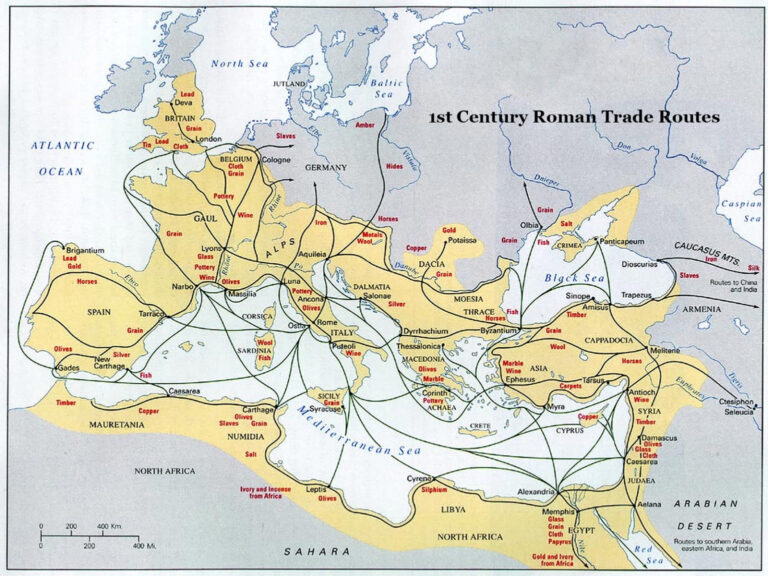
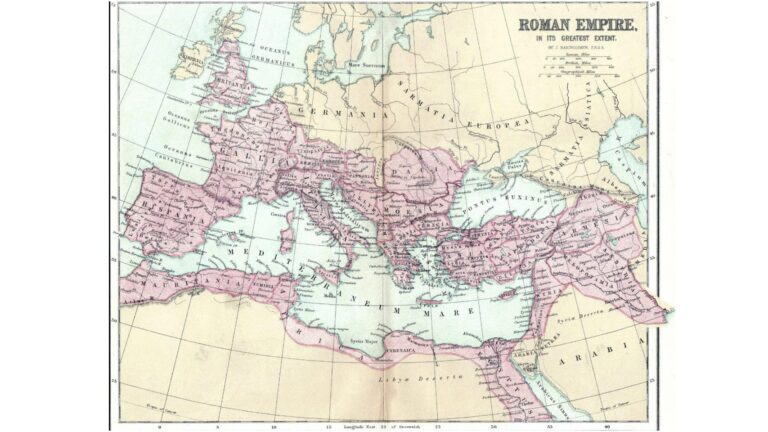
As we continued our reading and study, those connections deepened. While reading Paul: A Biography by N. T. Wright, new possibilities for storytelling began to emerge. Paul’s life, when viewed within the broader world of first-century Judea and Asia Minor, opened onto a much wider landscape of relationships, movements, and shared history.
We began to see that Paul’s story did not unfold in isolation. The early followers of Jesus lived within overlapping circles of geography, memory, and faith. Ephesus, and the region around it, became a place where those circles naturally intersected.
That realization shaped the heart of The Vigil.
Choosing to Tell Two Stories at Once
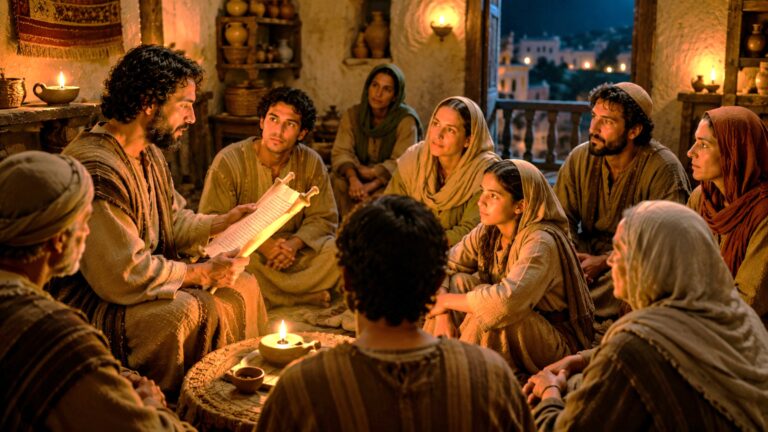
The Vigil covers the years 20 CE to 46 CE. From the outset, we faced a narrative challenge: we were not telling a single, linear story. We were telling two.
One story unfolds on Nightingale Mountain in 44 CE. The other follows a younger Paul, tracing his life from Tarsus and Jerusalem to his encounter with Jesus near Damascus. Both stories mattered. Both belonged in the same book.
Rather than compressing or simplifying, we chose to let these stories run alongside one another. We alternated between them, trusting that the contrast would deepen the reader’s understanding rather than dilute it.
That decision required care.
Guarding the Reader’s Orientation
From early drafts onward, we were attentive to the reader’s experience. Alternating storylines can be disorienting if handled casually. We knew that clarity about time and location was essential, not optional.
Each chapter needed to be anchored clearly—where we were, when we were, and whose story we were following. This was not merely a stylistic preference. It was a commitment to hospitality for the reader, especially those who might feel overwhelmed by unfamiliar history or shifting settings.
By naming these boundaries explicitly, we aimed to give readers confidence as they moved through the book. The structure was designed to invite attentiveness, not fatigue.
Author Note
As authors, we did not set out to write a story about Ephesus. We set out to follow a set of questions that arose when familiar figures and places began to overlap in new ways. Nightingale Mountain emerged as a natural setting for that exploration, allowing us to hold multiple timelines and perspectives together without forcing them into a single frame.
Explore More
You can explore related posts across the remaining areas of the St. Hans blog: Nightingale Mountain Trilogy, Ministry & Church Leadership, Updates & Releases.
Written by D. D. Shiell — Authors of the Nightingale Mountain Trilogy