Sometimes a place you visit reshapes how you read a passage of Scripture.
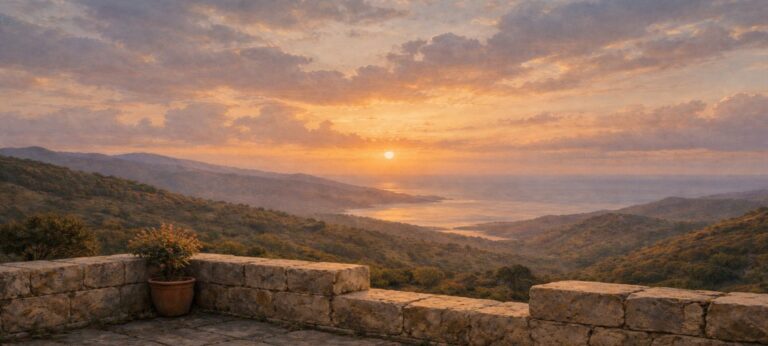
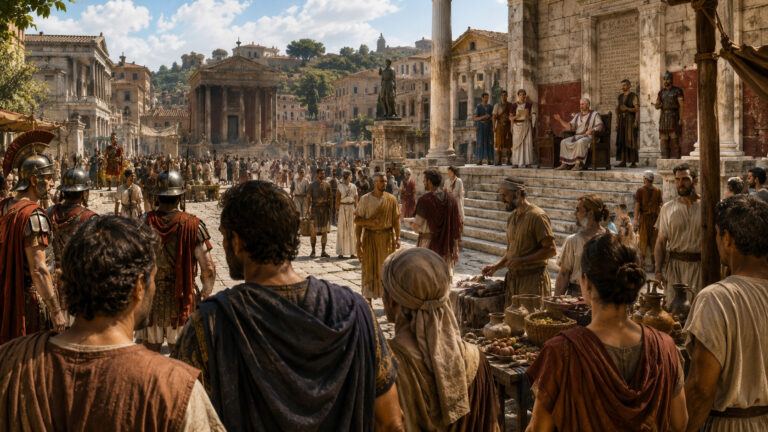
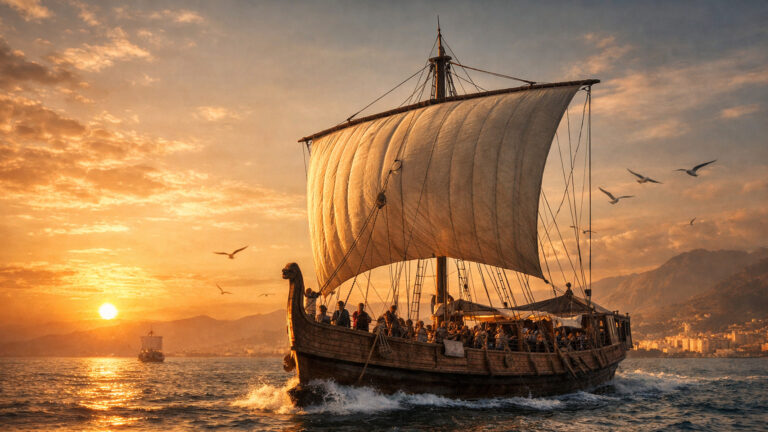
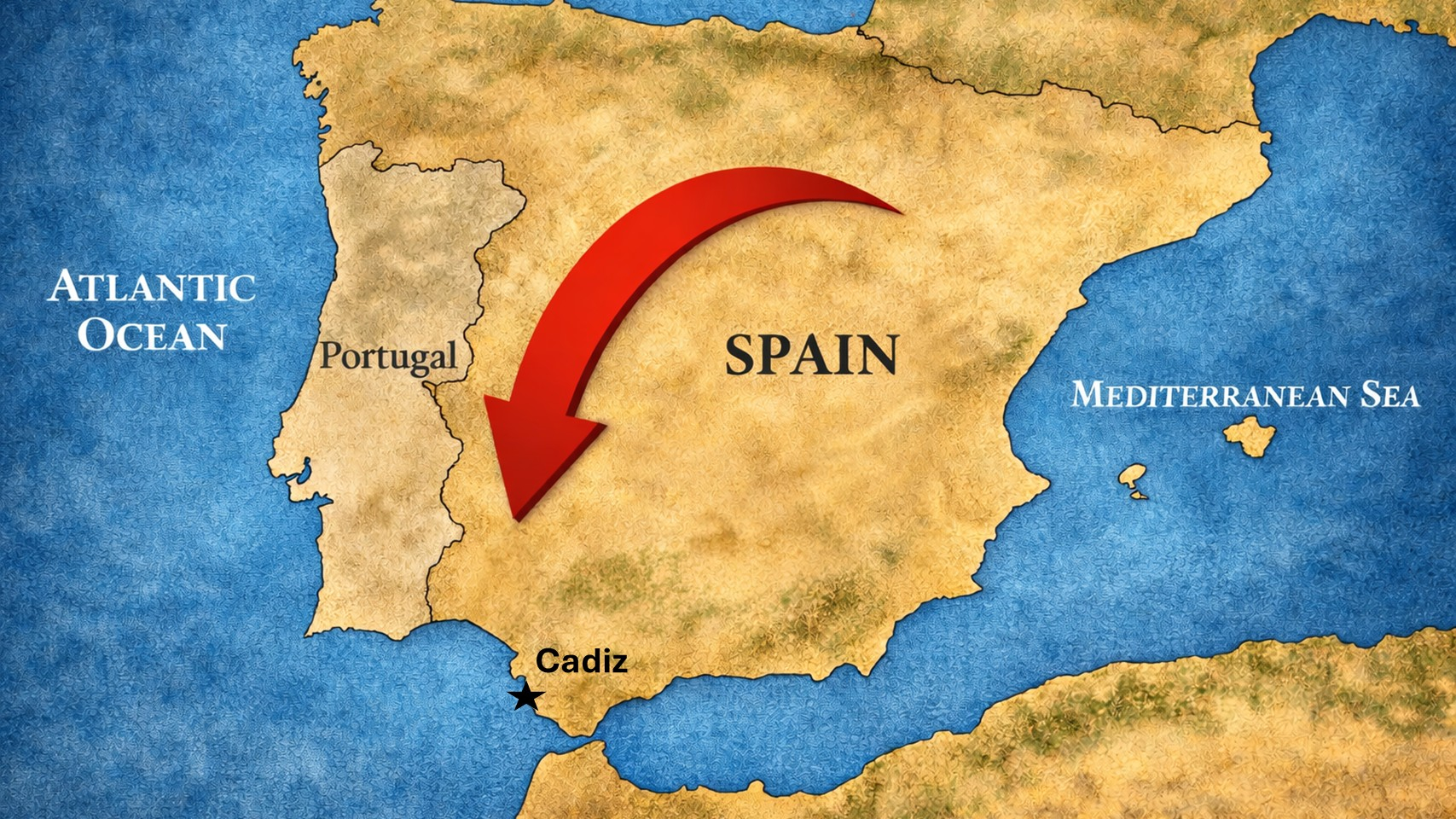
That happened for us when we visited Cadiz in southern Spain,as we walked through parts of the city where traces of its Roman past still remain. Standing among those ruins, it became easier to imagine the western edge of the Roman world that Paul once hoped to reach.
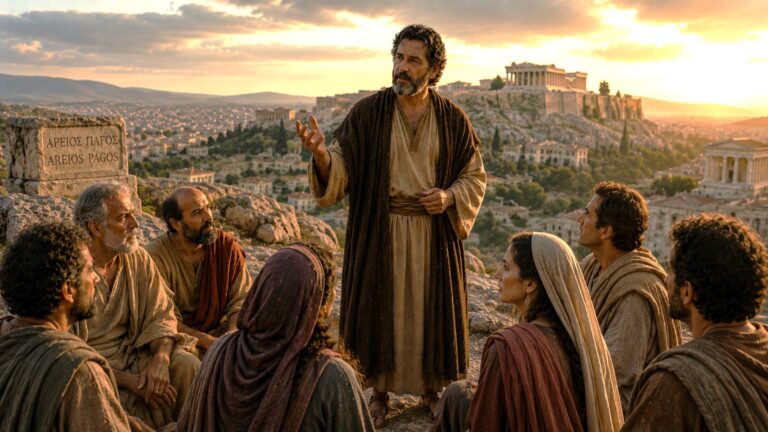
Near the end of his ministry, the Apostle Paul expressed a clear desire. After years of travel across the eastern Mediterranean, he hoped to carry the Good News even farther west — all the way to Spain.
That brief statement in the book of Romans had always intrigued us. But seeing the Roman remains in Cadiz gave those verses a new dimension.
Paul’s Hope to Reach Spain
In his letter to the believers in Rome, Paul spoke openly about his plans.
“I plan to do so when I go to Spain. I hope to see you while passing through and to have you assist me on my journey there.”
— Romans 15:24
A few lines later he repeated the same intention.
“So after I have completed this task and have made sure that they have received this contribution, I will go to Spain and visit you on the way.”
— Romans 15:28
Spain stood at the far western edge of the Roman world. For Paul, whose calling centered on bringing the Good News to the nations, Spain represented the next horizon for that mission.
Scripture records Paul’s desire to go there, but whether he ultimately reached Spain remains uncertain. What we do know is that Paul imagined the message of Jesus continuing to move westward beyond the regions where he had already traveled.
Roman Spain
In the Nightingale Mountain Trilogy, when the story moves into Spain, we refer to the cities by their modern names—Tarragona (ancient Tarraco), Zaragoza (ancient Caesaraugusta), and Cadiz (ancient Gades). Using the modern names helps readers follow the geography while still recognizing the Roman setting of the story.
Cadiz sits on a narrow peninsula extending into the Atlantic Ocean. It is often described as the oldest continuously inhabited city in Spain, founded by Phoenician traders more than three thousand years ago. By the first century it had become part of the Roman world.
The Church That Sent
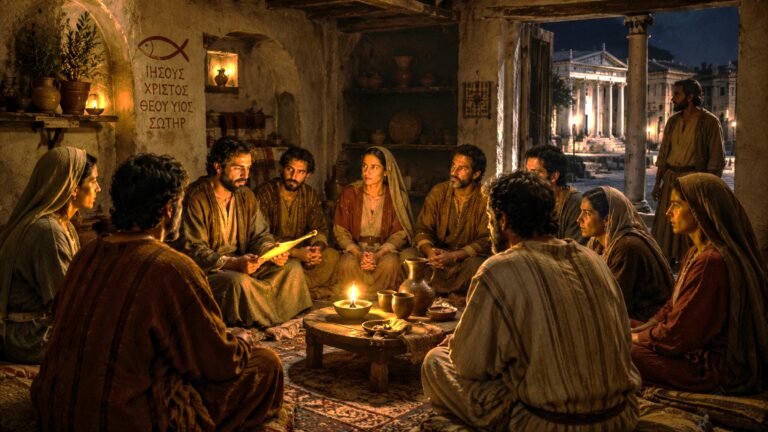
Antioch did more than gather believers. It sent them.
While the leaders were praying and fasting, they sensed the Spirit of God calling Barnabas and Saul to a new mission. The church prayed for them, laid hands on them, and sent them out.
From Antioch, the Good News began spreading across the Mediterranean world.
Jerusalem had been the birthplace of the church.
Antioch became its launching city.
Why Spain Captured Our Imagination
Travel sometimes deepens how we read Scripture.
Before visiting Spain, Paul’s words about going west felt like a brief comment in a letter written long ago. Standing in places like Cadiz, those verses begin to evoke the larger world Paul had in mind — a world stretching far beyond the eastern provinces where most of his ministry took place. That experience eventually shaped part of the imaginative landscape behind the Nightingale Mountain Trilogy.
Author Note
Moments like this often find their way quietly into how we imagine the biblical world. Visiting places that still carry traces of the Roman world helps us picture the setting in which the early followers of Jesus lived and traveled.
Explore More
You can explore related posts across the remaining areas of the St. Hans blog: Nightingale Mountain Trilogy, Ministry & Church Leadership, Updates & Releases.
Written by D. D. Shiell — Authors of the Nightingale Mountain Trilogy