
Some cities shape history quietly. Others launch movements that change the world.
In the story of the early followers of Jesus, Antioch became one of those cities.
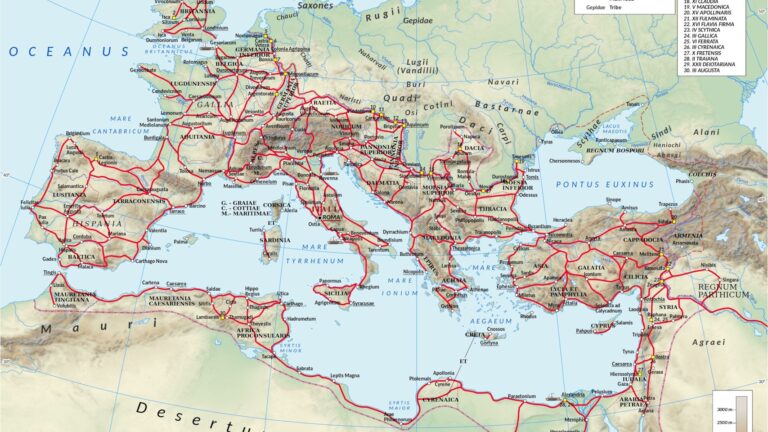
Located in what is now southern Turkey, Antioch stood nearly 300 miles (483 km) north of Jerusalem. In the first century it was one of the largest and most influential cities in the Roman Empire, with an estimated population between 250,000 and 500,000 people, making it the third-largest city in the empire after Rome and Alexandria. By comparison, Jerusalem’s permanent population was likely between 35,000 and 70,000 residents, though during major pilgrimage festivals such as Passover the city could swell to 100,000–250,000 visitors.
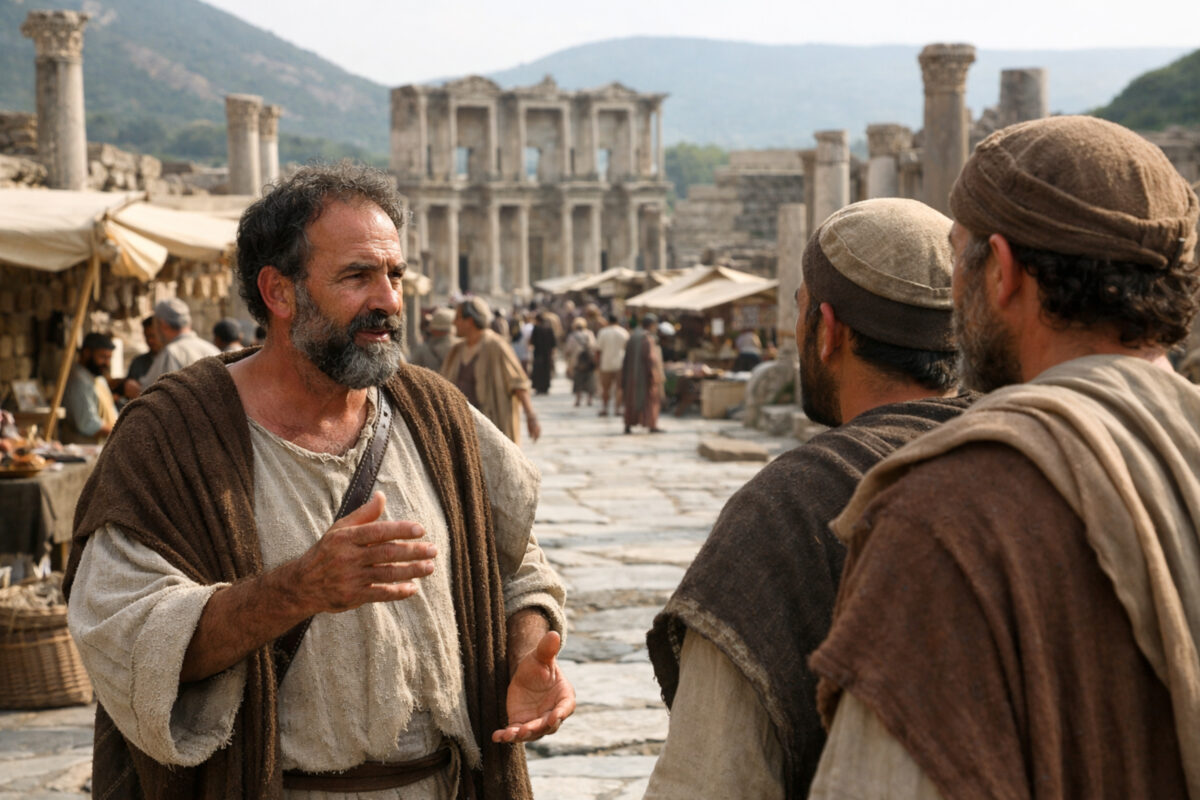
Antioch was cosmopolitan and diverse. Jews, Greeks, Romans, Syrians, traders, soldiers, and travelers crowded its streets.
And it was there that something remarkable happened.
The First Place They Were Called Christians
According to the Book of Acts, Antioch was the first place where disciples of Jesus were called “Christians.”
The name likely began as a nickname from outsiders. Antioch was known for labeling groups and movements. “Christians” probably meant something like “people of the Messiah” or “followers of Christ.”
What began as a label soon became an identity.
Until then, most believers had thought of themselves primarily as Jews who believed Jesus was the promised Messiah. But in Antioch the message of Jesus began reaching people from many cultures. The Good News was moving beyond Jerusalem.
A Multiethnic Church
The leadership of the Antioch church reflected the diversity of the city itself. Acts names Barnabas, Simeon called Niger, Lucius of Cyrene, Manaen who had grown up with Herod Antipas, and Saul of Tarsus.
They came from different regions and backgrounds—Cyprus, North Africa, Judea, and the wider Roman world.
Yet they were united by a shared faith in Jesus and a shared calling to proclaim the Good News.
The Church That Sent
Antioch did more than gather believers. It sent them.
While the leaders were praying and fasting, they sensed the Spirit of God calling Barnabas and Saul to a new mission. The church prayed for them, laid hands on them, and sent them out.
From Antioch, the Good News began spreading across the Mediterranean world.
Jerusalem had been the birthplace of the church.
Antioch became its launching city.
Why This Still Matters
The story of Antioch reminds us that mission rarely begins with one person acting alone.
Behind every missionary journey stood a community that prayed, encouraged, and trusted God enough to release its leaders.
That idea echoes throughout The Nightingale Mountain Trilogy. The characters wrestle with the same question the early followers of Jesus faced: how do you leave the people and places you love in order to follow where God is leading?
For some, faith means staying. For others, it means going.
But in both cases, the journey begins with a community willing to send.
Author Note
As we have studied the story of Antioch more closely, we have come to appreciate how important communities were in the spread of the Good News. The missionary journeys recorded in Acts did not begin with individuals acting alone. They began with believers who prayed together, listened for God’s leading, and trusted one another enough to send.
That perspective has shaped how we imagine the world of the early church in The Nightingale Mountain Trilogy. Behind every journey stood a community of faith.
Explore More
You can explore related posts across the remaining areas of the St. Hans blog: Behind the Books, Author Journey, Characters & World and Updates & Releases.
Written by D. D. Shiell — Authors of the Nightingale Mountain Trilogy