Long before the message of Jesus spread across the Mediterranean, the world into which it would travel was already being shaped.
When we read the story of the early church, we often focus on the courage of the apostles, the power of the message, and the communities that formed in city after city.
But behind those visible events stood something less obvious: the historical world in which they occurred.
The gospel first spread during a unique moment in Mediterranean history—a time when the Roman Empire had created an unusually connected world.
These conditions did not save anyone. Salvation came through Christ alone. Yet the circumstances of the Roman world allowed that message to travel farther and faster than earlier generations might have imagined.
A World Held Together
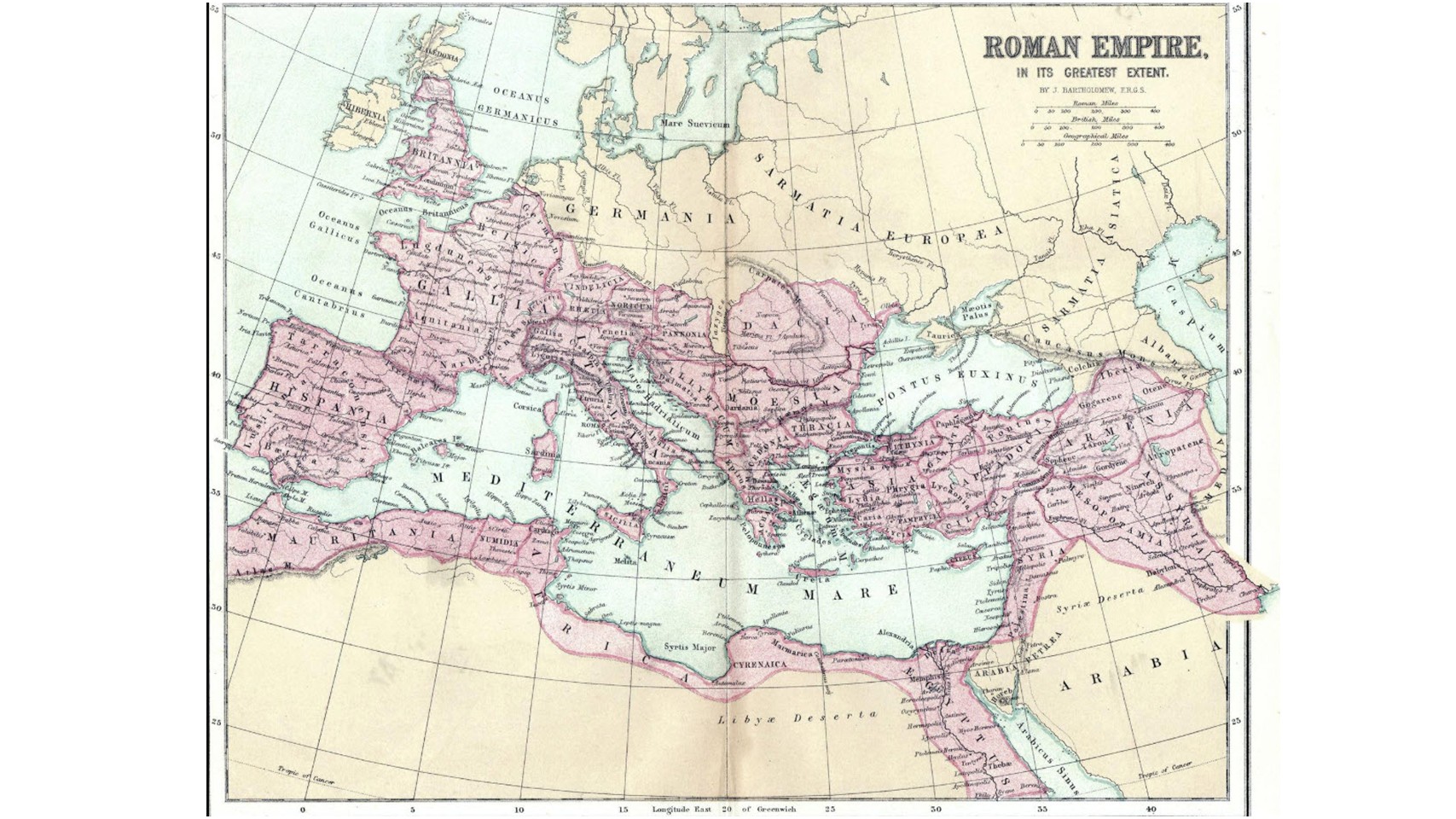
By the first century, Rome governed a vast territory stretching from Britain to the Middle East.
Historians often refer to this era as the Pax Romana, the “Roman Peace.” The phrase does not mean the empire was gentle or just in every way. Roman authority depended on military strength and political control.
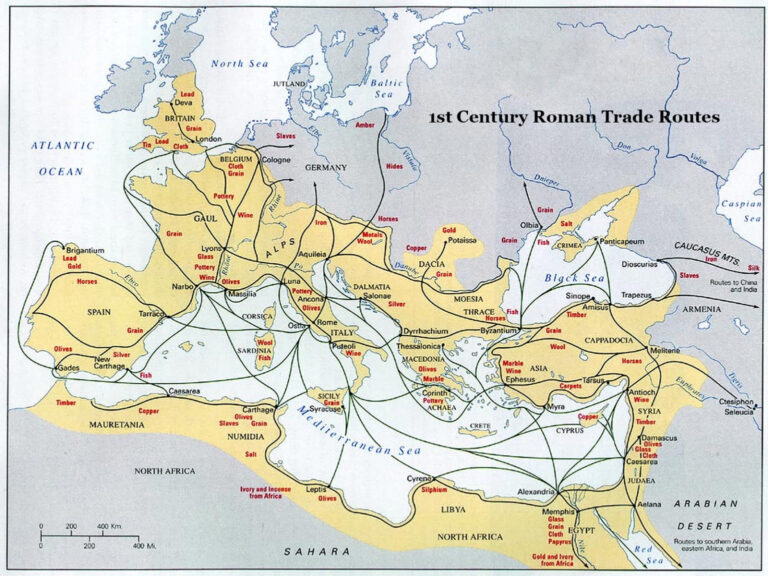
Yet compared with the centuries of warfare that preceded it, the Mediterranean experienced a remarkable degree of stability. Trade routes were protected, travel between provinces became more predictable, and major cities remained connected through imperial administration.
This stability created a setting in which people and ideas could move across great distances.
A World That Could Communicate
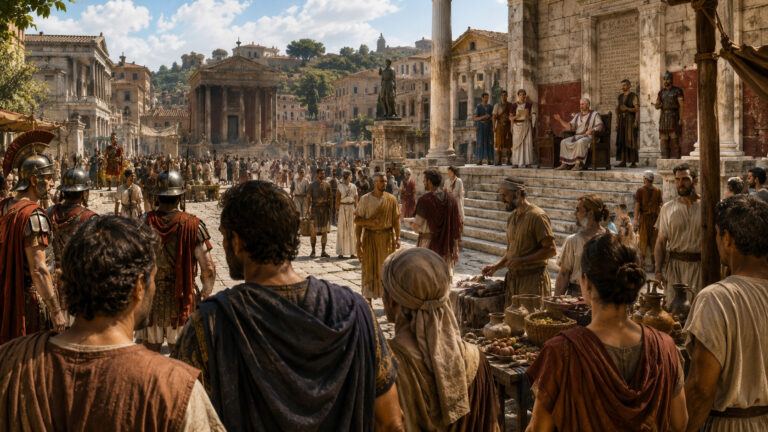
The Roman world was not only politically connected. It was also culturally linked in several important ways.
Across much of the eastern Mediterranean, Greek functioned as a common language. Merchants, travelers, and teachers from different regions could often communicate without needing interpreters.
Shared coinage also helped connect the empire economically. Roman currency circulated widely, allowing trade between distant cities and provinces.
These features made the Mediterranean world more interconnected than it had ever been before.
In such a setting, letters could travel between communities, teachers could move from city to city, and ideas could spread beyond their place of origin.
A World That Could Be Crossed
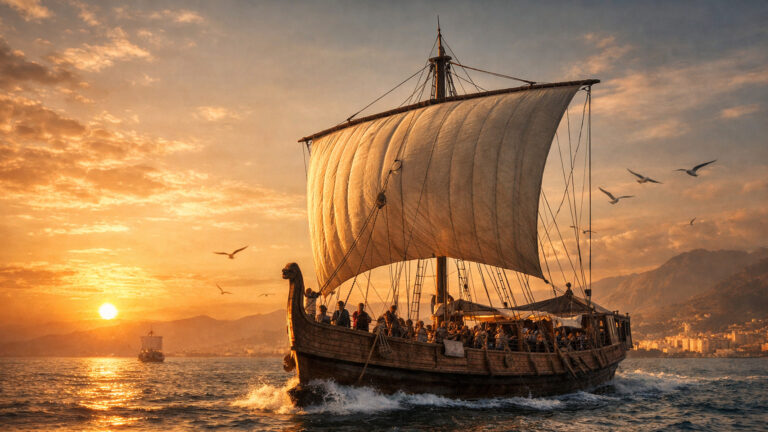
Mediterranean shipping followed seasonal rhythms. The safest sailing months ran from late spring through early autumn. During winter storms, most long voyages paused.
Cargo ships dominated the sea lanes, carrying the goods that sustained Roman cities: grain, oil, wine, and manufactured products moving between provinces.
These ships often carried passengers as well. Commerce and imperial logistics frequently overlapped.
Acts reflects this pattern. Paul first boarded a ship from Adramyttium and later transferred to a large Alexandrian grain vessel bound for Italy. Cargo remained the primary purpose of the voyage. The passengers simply traveled alongside it.The physical infrastructure of the empire also made movement possible.
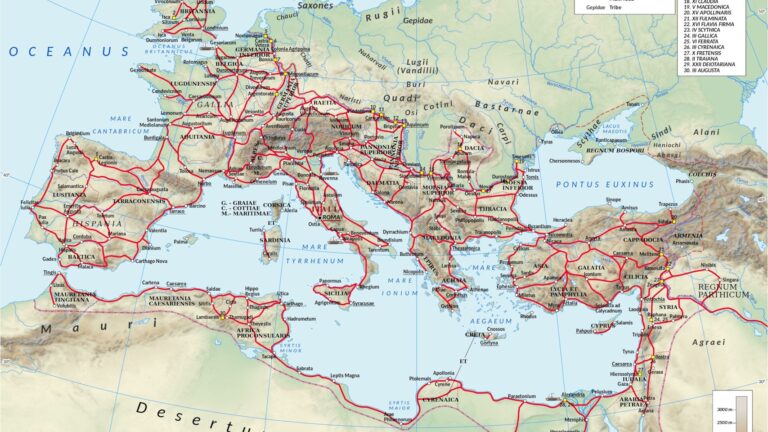
Roman roads linked major cities across continents. Ports connected the provinces by sea. Travelers could move from one region to another with a reliability rare in earlier centuries.
The book of Acts occasionally reveals another feature of this world: Roman citizenship. In several moments of Paul’s life, his citizenship shaped how authorities handled his case and eventually allowed him to appeal to Caesar.
None of these systems existed to advance the message of Jesus. They served the purposes of the Roman Empire.
Yet through them, the early Christian message moved from Judea to cities across Asia Minor, Greece, and eventually Rome itself.
Providence in History
Christians believe that salvation comes through the work of Christ, received in faith. That message is the heart of the New Testament.
But the story of the early church also reminds us that God’s providence operates within the broader movements of history.
Political systems rise and fall. Trade networks form. Languages spread across cultures. Roads connect distant places.
People build these systems for their own purposes. Yet God often works through them in ways no one anticipates.
The Roman Empire did not intend to carry the message of Jesus across the Mediterranean world.
Yet within the ordinary structures of that empire—its roads, languages, laws, and cities—the message of salvation traveled widely.
Providence prepared the stage. The gospel carried the message.
Author Note
While researching the historical setting behind the Nightingale Mountain Trilogy, we became increasingly aware of how interconnected the first-century world truly was. The story of the early church unfolded within that world of roads, ports, cities, and languages. Recognizing those connections helps us see how the message of Jesus moved so quickly across the Mediterranean.
Explore More
You can explore related posts across the remaining areas of the St. Hans blog: Nightingale Mountain Trilogy, Ministry & Church Leadership, Updates & Releases.
Written by D. D. Shiell — Authors of the Nightingale Mountain Trilogy