
How early Christians learned to gather before the workday began.
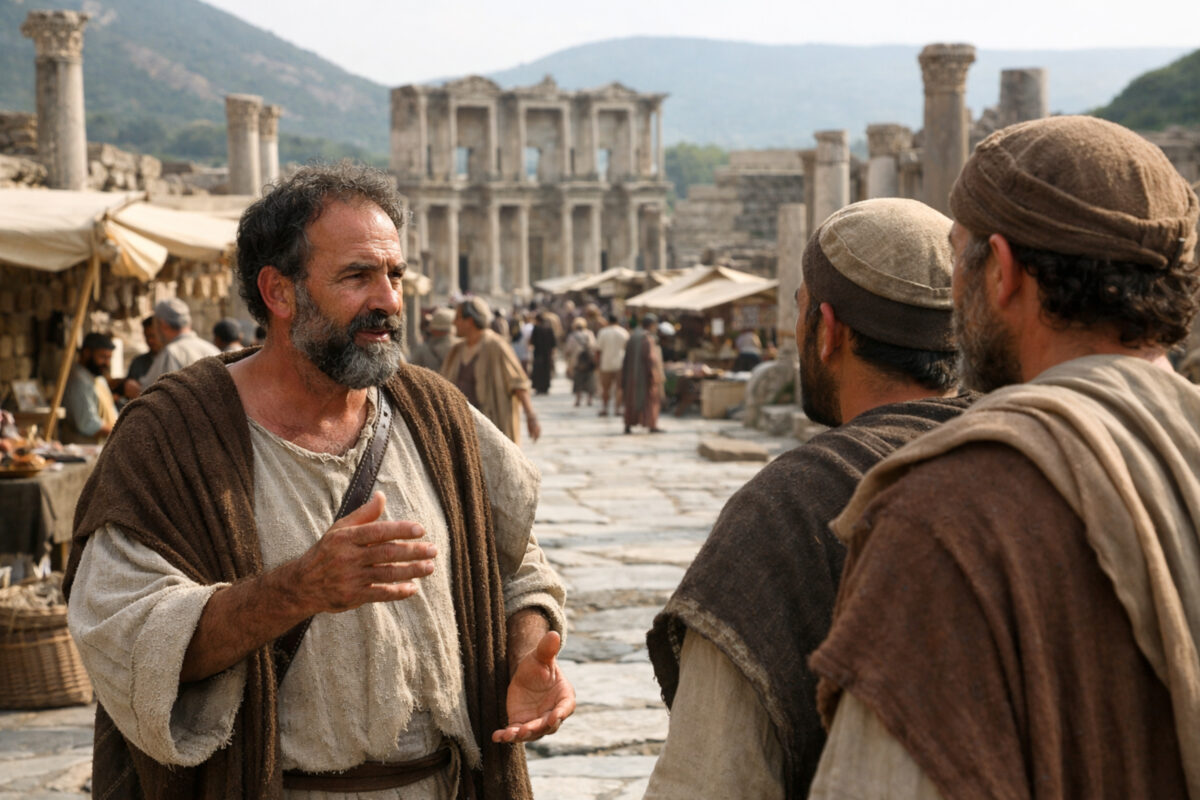
In the earliest years of the Christian movement, worship did not unfold in buildings set apart for sacred use. It took place in homes, at tables, and in borrowed spaces—woven into the rhythms of ordinary life. For Jewish and non-Jewish believers alike, following Jesus required learning not only what to believe, but when and how to gather.
Sabbath and the Shape of Jewish Life
For Jewish Christians, worship did not begin from nothing. Their lives were already shaped by Sabbath—by a weekly rhythm of rest, prayer, Scripture, and remembrance that reached back through generations. Sabbath was not simply a religious obligation; it was a gift, a marker of identity, and a way of ordering time around faithfulness to God.
Following Jesus did not immediately undo that rhythm. For many Jewish Christians, Sabbath continued to matter deeply. Jesus was understood not as abolishing Sabbath, but as revealing its deeper intent. Rest, mercy, and devotion were still held together, even as allegiance to Jesus reshaped how those practices were lived.
Greek Christians and the World They Left Behind
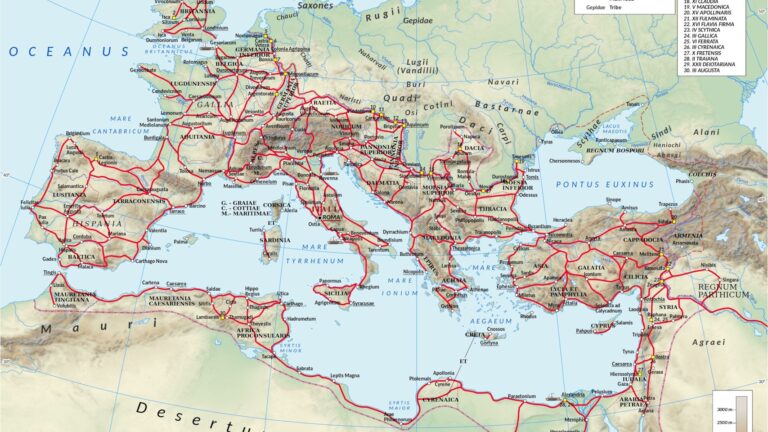
Non-Jewish Christians came to faith from a very different world. Early Christian writings often refer to them simply as Greeks—not to describe ethnicity, but culture. Greek language and customs shaped public life across much of the eastern Roman Empire. Civic festivals, household religion, trade associations, and local loyalties were all bound up with religious practice.
When Greek Christians followed Jesus, they stepped away from those familiar patterns. They did not bring a Sabbath rhythm with them. Sacred time was not something they had inherited. Learning how to worship—when to gather, how to pray, and what it meant to belong to a new community—was something they were discovering, often alongside Jewish believers whose instincts and habits were very different.
The First Day of the Week
In those early years, before practices had fully settled, the first day of the week begins to stand out. Early Christians remembered that Jesus was raised on the first day. From the beginning, the first day of the week carried special meaning as a time for gathering—especially for shared meals, teaching, prayer, and remembrance. Yet it is important to note what this day was not. It was not a replacement Sabbath. It was not a day of rest recognized by society. For both Jews and Greeks, it remained an ordinary workday.
Because of this, gatherings on the first day of the week likely took place early in the morning, before the demands of labor and household responsibilities. Worship was woven into the beginning of the day, not set apart from it. Faith was practiced quietly and intentionally, shaped by choice rather than convenience.
For many Jewish Christians, this meant living with two rhythms at once: Sabbath continuing as a day of rest and prayer, and the first day of the week becoming a time for early gathering with fellow believers. For Greek Christians, the first day offered something new—a shared moment of belonging no longer tied to civic religion or public ritual, yet still carried out within the ordinary structure of life.
Why This Still Matters
The earliest Christian communities did not inherit a ready-made pattern of worship. They learned it together—within the constraints of work, family, and daily life. Faith took shape not through uniform schedules or sacred buildings, but through shared commitment and remembrance.
Author Note
This trilogy is our shared project—years of study, prayer, writing, and conversation shaped by the encouragement of family, friends, and scholars. Writing these reflections allows us to step back into the first-century world that formed our stories and to consider how faith was practiced long before it was formalized.
Explore More
To explore additional posts connected to the world behind the trilogy, visit the Author Journey category or browse Behind the Books and Characters & World.
Written by D. D. Shiell — Authors of the Nightingale Mountain Trilogy