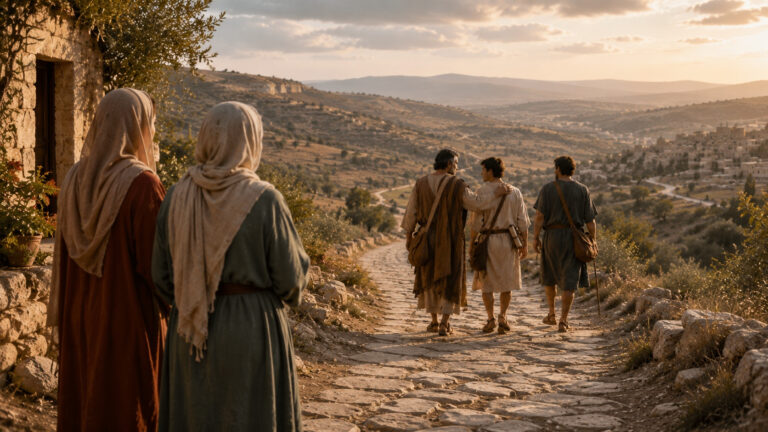
What people wore in the first century quietly revealed their place in the world—and often, their burdens.
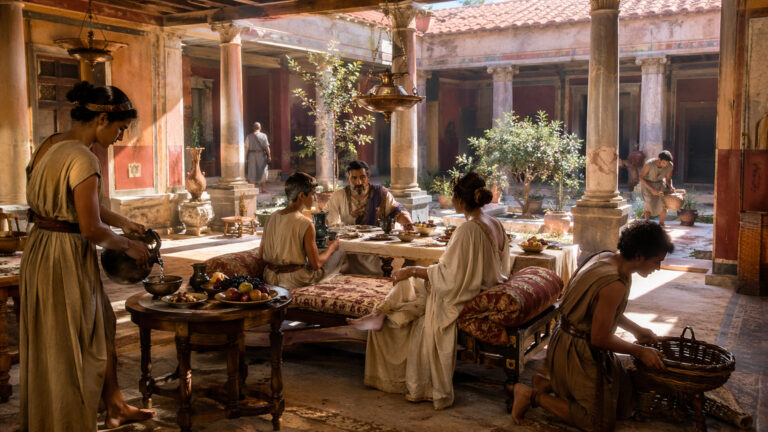
Clothing in the Roman world was simple in form but rich in meaning. A single garment could reflect wealth, occupation, citizenship, or hardship. For the early followers of Jesus, clothing was not merely practical—it was part of daily life in a world shaped by hierarchy, travel, and survival.
THE BASIC GARMENTS OF DAILY LIFE
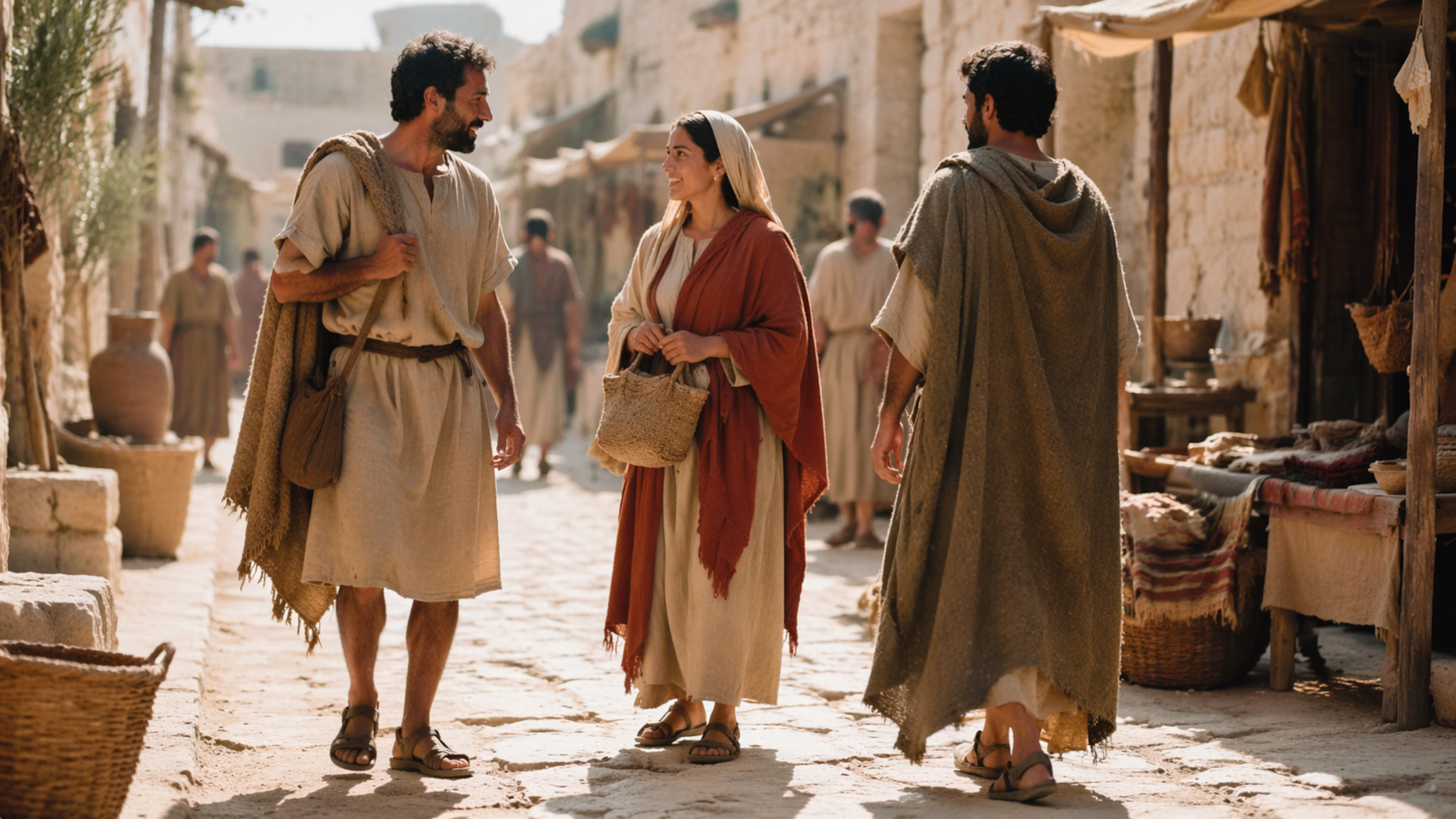
Most people wore a tunic, a simple garment made from two pieces of fabric sewn together, with openings for the head and arms. It fell to the knees for men and to the ankles for women.
Over the tunic, many wore a cloak, especially when traveling. This outer garment provided warmth at night and protection from the elements during the day. Sandals were common, though many went barefoot, especially among laborers. Belts served both practical and functional purposes, gathering the tunic and allowing freedom of movement for work or travel.
MATERIALS AND MEANS
Garments were made from wool or linen, depending on the region and what people could afford. Wool was more common and durable, while linen was lighter and often associated with greater comfort.
For the poor, clothing was limited—often just one tunic and one cloak. These garments were worn daily and repaired repeatedly. To lose a cloak was not an inconvenience; it could mean exposure and vulnerability.
For the wealthy, clothing became a marker of status. Finer fabrics, dyed materials, and additional garments distinguished those with means from those without.
Even color could communicate standing, as certain dyes were expensive and difficult to produce.
CLOTHING AND STATUS
Despite these differences, the table carried a deeper meaning across every level of society.
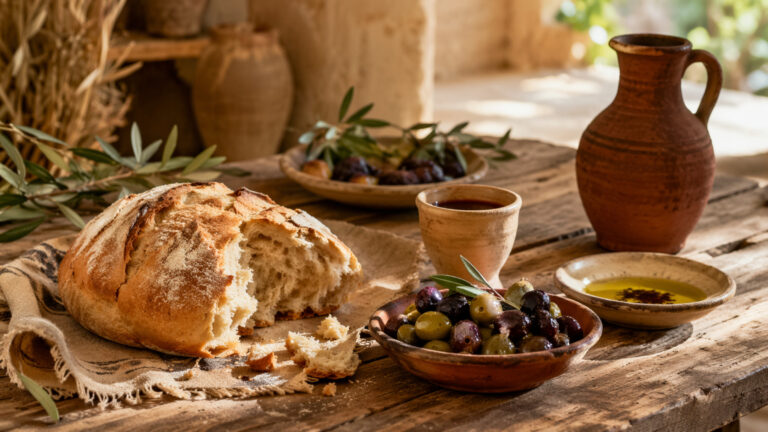
Meals were rarely meant to be eaten alone. They were shared—within families, among friends, and within extended households that included servants and workers.
It is no surprise, then, that the early church gathered in the same way.
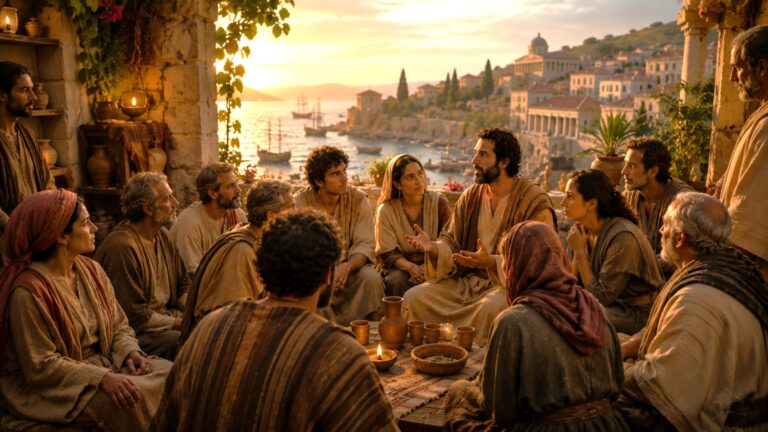
Before there were dedicated buildings, believers met in homes. They shared food, listened to teaching, and remembered Jesus together. The act of eating became inseparable from the life of the community.
The early believers spoke of this as “breaking bread.”
In the Roman world, clothing communicated identity before a word was spoken.
A Roman citizen might wear a toga in formal settings. A laborer wore a shorter tunic suited for work. Travelers carried cloaks that doubled as bedding.
Within this world, distinctions were visible and constant. Social position was not hidden—it was worn.
This reality formed the backdrop for many of the early Christian communities, where people of different backgrounds gathered together. Their clothing would have reflected those differences even as their shared faith brought them into the same space.It was not simply about food. It described a shared life—gathering at the table, remembering Jesus, and forming a new kind of fellowship. What had always been ordinary now carried a deeper meaning.
THE TRAVELING CLOAK
One small detail in Paul’s letters brings this into focus. In his final imprisonment, he asked for his cloak to be brought to him.
This was not a minor request.
The cloak represented warmth, shelter, and dignity. It was essential for someone who traveled often and endured hardship.
Such a request reminds us that the lives of those who carried the Good News were not abstract or removed. They lived within the same material realities as everyone else—dependent on simple, necessary things.
WHAT CLOTHING REVEALS
Clothing in the Roman world tells a quiet story.
It reveals who had security and who did not. It shows who traveled, who labored, and who held status. It reminds us that daily life was shaped by limits as much as by opportunity.
When we picture the early church, these details matter.
They ground the story in real lives—lives marked by ordinary needs, visible differences, and shared spaces where something new was beginning.
Author Note
As we wrote the scenes of the Nightingale Mountain Trilogy, small details like clothing helped us picture the world more clearly. These details do not draw attention to themselves, but they help shape how each moment is imagined.
Explore More
You can explore related posts across the remaining areas of the St. Hans blog: Nightingale Mountain Trilogy, Ministry & Church Leadership, Updates & Releases.
Written by D. D. Shiell — Authors of the Nightingale Mountain Trilogy