A shared meal reveals more about a world than almost anything else.
The world of the early church was not lived in temples or marketplaces alone. It was lived at tables—small, ordinary tables where bread was broken, stories were told, and lives quietly intersected.
When we imagine the first followers of Jesus, it is easy to picture journeys, teachings, and gatherings. But just as often, their lives unfolded over simple meals, shaped by what was available, what could be afforded, and who was invited to sit together.
WHAT WAS ON THE TABLE
Most meals in the Mediterranean world were simple.
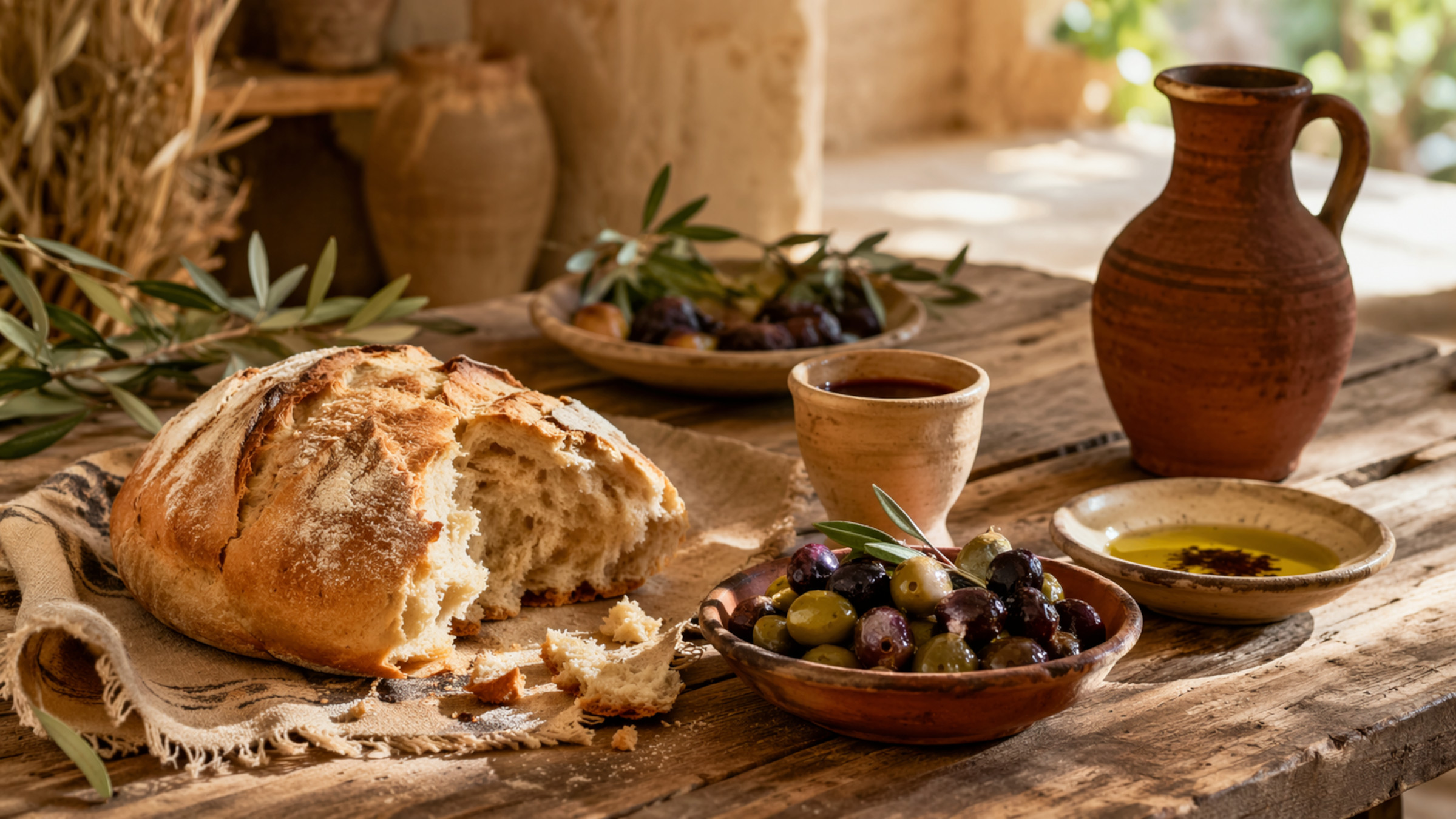
Bread formed the center of daily eating. It was accompanied by olives, lentils, vegetables, and occasionally fish. Wine, usually diluted with water, was a common part of the meal rather than a separate indulgence.
For many, meat was rare. It appeared mainly during festivals, sacrifices, or special occasions. The rhythm of daily life was sustained by foods that could be grown, preserved, or traded locally.
These were not elaborate meals, but they were steady. They reflected a world where survival, work, and provision were closely tied to the land and the sea.
MEALS AND SOCIAL DIFFERENCES
Not every table looked the same.
Wealthier households could host extended meals with multiple courses, reclining guests, and servants attending to every detail. These gatherings were as much about status as they were about food.
In contrast, laborers and artisans ate more modestly. Their meals were shorter, simpler, and shaped by the demands of daily work.
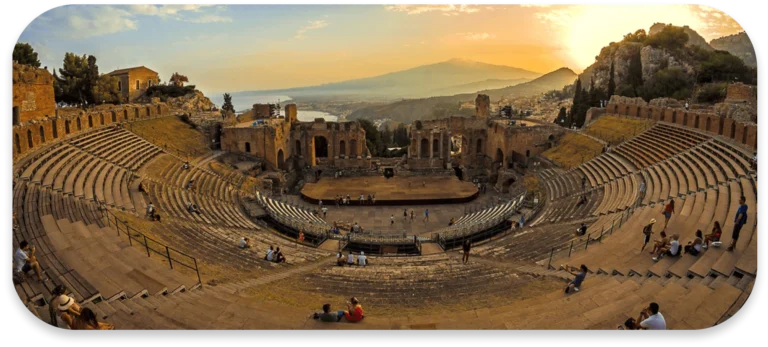
Yet both kinds of tables existed side by side in the same cities—Ephesus, Corinth, Rome—revealing a world marked by visible differences in wealth and position.
THE TABLE AS A PLACE OF GATHERING
Despite these differences, the table carried a deeper meaning across every level of society.
Meals were rarely meant to be eaten alone. They were shared—within families, among friends, and within extended households that included servants and workers.
It is no surprise, then, that the early church gathered in the same way.
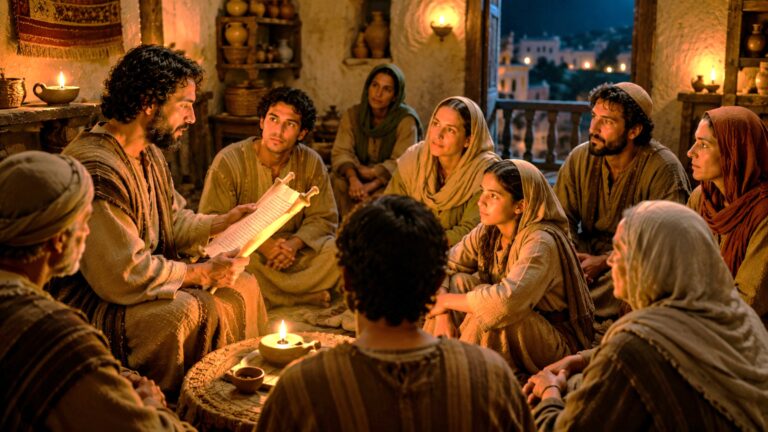
Before there were dedicated buildings, believers met in homes. They shared food, listened to teaching, and remembered Jesus together. The act of eating became inseparable from the life of the community.
The early believers spoke of this as “breaking bread.”
It was not simply about food. It described a shared life—gathering at the table, remembering Jesus, and forming a new kind of fellowship. What had always been ordinary now carried a deeper meaning.
FROM TABLE TO CHURCH
What began as ordinary meals became something more.
As followers of Jesus gathered, the table became a place of remembrance, unity, and belonging. Differences of status, wealth, and background did not disappear—but they were brought into a new kind of fellowship.
In a world defined by hierarchy, the shared meal quietly told a different story.
Author Note
As we write about the world of the early church, we are often drawn to its journeys and turning points. But again and again, we find ourselves returning to the table—because it is there that daily life and faith meet in the most human way.
Explore More
You can explore related posts across the remaining areas of the St. Hans blog: Nightingale Mountain Trilogy, Ministry & Church Leadership, Updates & Releases.
Written by D. D. Shiell — Authors of the Nightingale Mountain Trilogy