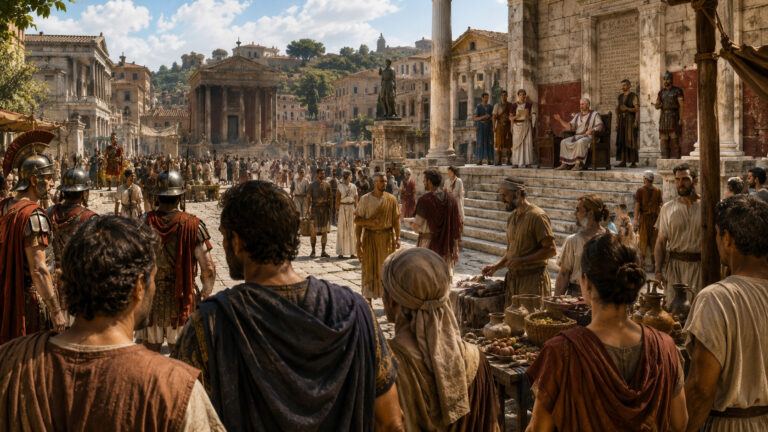
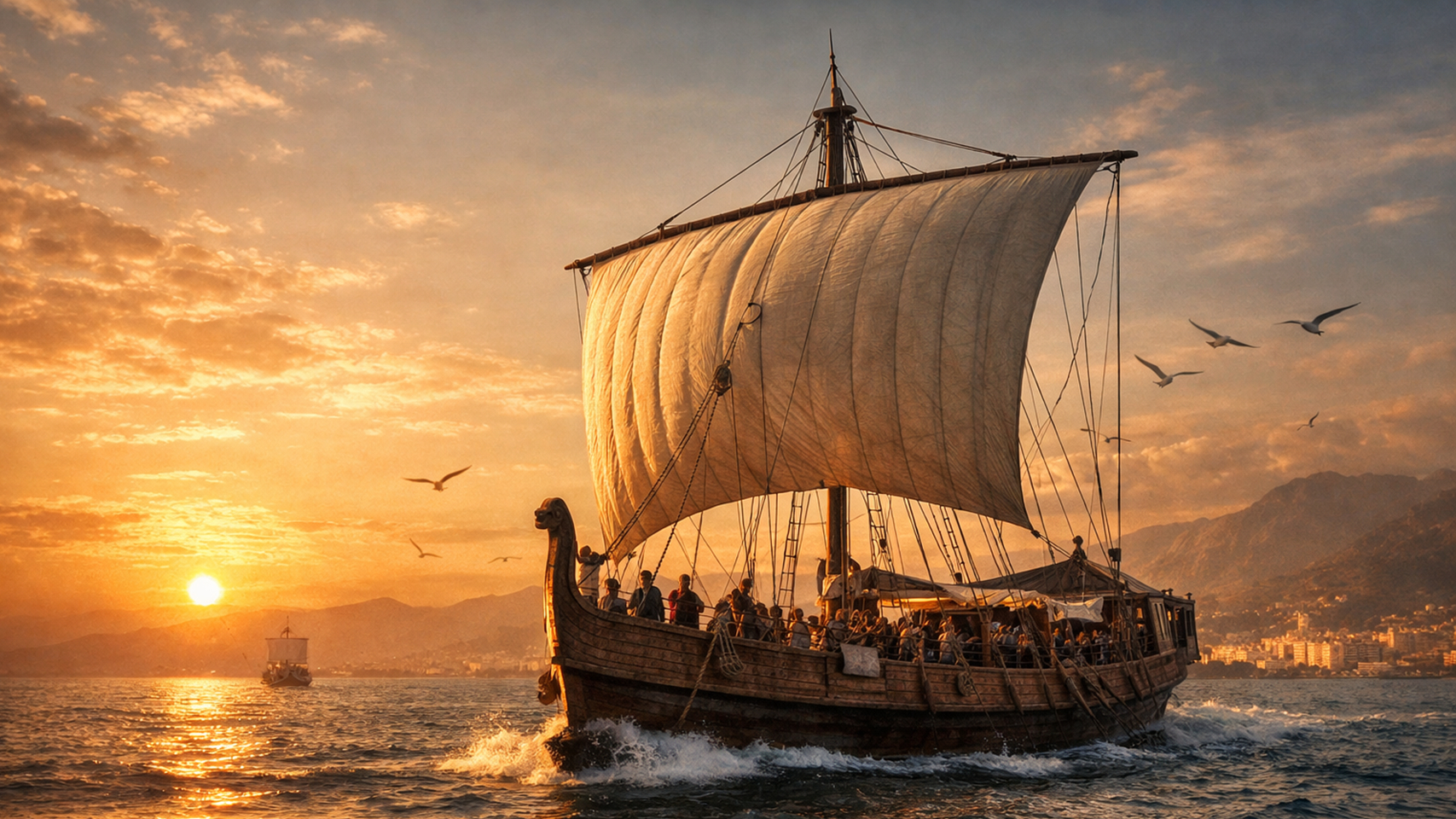
The Mediterranean Sea was not a backdrop to the ancient world—it was the pathway that made the world move.
The first-century Mediterranean did what modern interstates do now: it connected everything. Cities separated by mountains, deserts, and long miles of road could still trade, travel, and communicate because ships crossed the sea in steady patterns. Ports were not merely scenic edges of civilization. They were access points to the wider world.
When we picture the early followers of Jesus moving from place to place, we often imagine dusty roads and long walks. That happened often. But the sea carried a different kind of movement—faster, farther, and filled with its own set of risks.
SEA LANES AND THE CITIES THEY CONNECTED
Certain routes functioned like main corridors. Alexandria, Corinth, Rome, and Ephesus were not simply important cities; they were connected by the flow of ships and cargo that kept the empire supplied and alive.
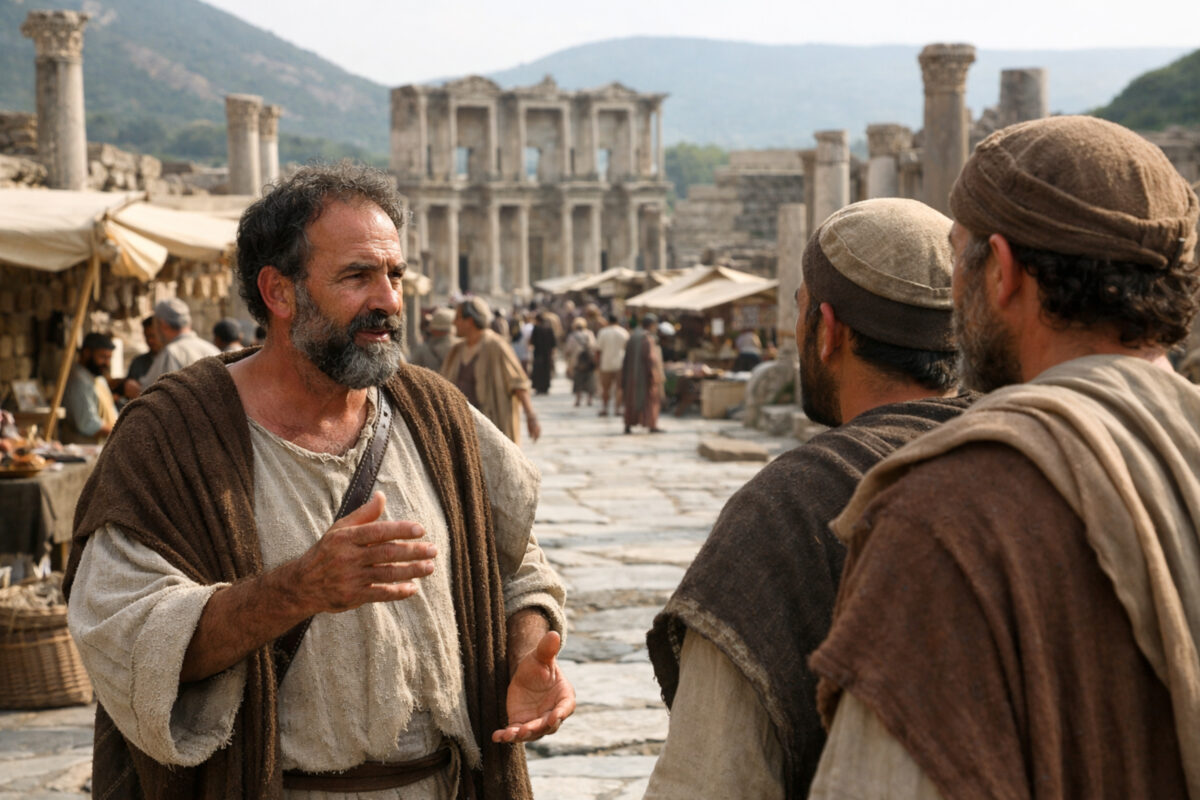
Alexandria fed Rome. Grain shipments from Egypt helped sustain the population of the capital, and that made the sea route between those two cities one of the most vital in the Roman world. Ephesus, positioned along the coast of Asia Minor, served as a hinge city—an entry point between inland regions and maritime travel. Corinth, sitting near the narrow crossing between two seas, thrived because travelers and goods could pass through its orbit rather than risk longer sailing routes.
These were not casual journeys. Mariners and merchants followed familiar patterns shaped by winds, currents, and the safest access to harbors. Even when ships crossed open stretches, they often did so with a cautious respect for what the sea could do when it turned against them.
WHEN THE SEA OPENED AND WHEN IT CLOSED
Ancient sailors did not treat the Mediterranean as open for business all year.
The safer season ran from late spring into early autumn, when winds tended to be more manageable and storms less severe. In those months, commerce moved steadily, and travel by sea could collapse long overland distances into shorter passages.
But as the year turned toward winter, the sea became far less predictable. Storms strengthened, daylight shortened, and the margin for error narrowed. Captains who sailed too late risked more than delay. They risked the ship itself, along with every life aboard.
his rhythm shaped the world your characters inhabit. A person could not simply decide to leave whenever the mood struck. The calendar mattered. A departure date could be a wise choice—or a dangerous one.
PAUL’S VOYAGES AND WHAT THEY COST
The Book of Acts does not present Paul’s travels as effortless. Again and again, sea travel appears as both opportunity and threat.
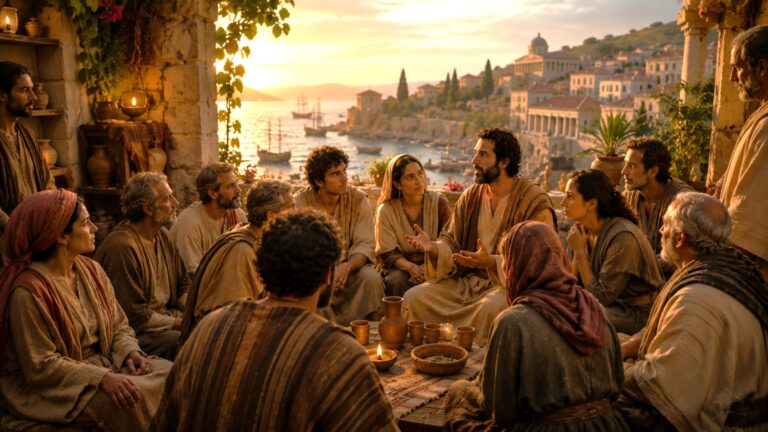
Paul used the sea lanes because they opened doors. They connected regions quickly. They made it possible to return, to revisit, to strengthen churches, and to send trusted co-workers where they were needed.
But Acts also shows the darker side of sea travel. Storms could trap ships for days. Winds could force them to shelter in unfamiliar ports. And sometimes, the sea simply refused cooperation.
The shipwreck account later in Acts makes this vivid: days of uncertainty, crews making desperate decisions, and passengers living with the knowledge that nature could end the journey at any moment. Even when a voyage began with routine confidence, it could end with men clinging to debris, grateful simply to reach shore. In a world without engines or modern navigation, sailing demanded humility. Once the ship left the harbor, control belonged to wind, wave, and whatever skill the crew could bring to bear.
WALKING VERSUS SAILING
Overland travel was slow, physically demanding, and often uncomfortable—but it had one advantage: a traveler could stop. A traveler could choose pace, route, and timing more directly.
Sea travel offered speed, but it demanded surrender. A passenger stepped aboard and accepted that the journey might not proceed as planned. It might stall in a harbor for weeks. It might swing wide of the intended destination. It might end in loss. That contrast clarifies what courage looked like in the ancient world. Risk did not always mean dramatic heroism. Sometimes it meant boarding the ship anyway. Sometimes it meant continuing when the season narrowed. Sometimes it meant trusting God while the horizon offered no guarantees.
WHY THIS STILL MATTERS
The Mediterranean sea lanes shaped more than commerce. They shaped the movement of the Good News itself.
The message of Jesus spread through the same networks that carried grain, oil, and wine. Faith traveled along practical routes, through ordinary ports, across unpredictable waters, in the hands of men and women who accepted the cost of movement.
When we read Acts, it helps to remember that the journeys were not abstract. They unfolded in real weather, with real danger, under decisions that mattered. The sea was a highway. And every highway has a price.
AUTHOR NOTE
As we have studied the Roman world more closely, the sea has become easier to see—not as scenery, but as infrastructure. The coastlines, ports, and sailing seasons shaped what was possible for travelers and teachers alike. Reading Acts with that in mind has helped us imagine the courage behind each departure, and the steady resolve required to keep going.
Explore More
You can explore related posts across the remaining areas of the St. Hans blog: Nightingale Mountain Trilogy, Ministry & Church Leadership, Updates & Releases.
Written by D. D. Shiell — Authors of the Nightingale Mountain Trilogy