What draws readers into stories set in distant centuries and forgotten worlds—and why do some of those stories continue to linger long after the final page?
Christian historical fiction often begins with a journey into another time and place. Ancient cities, uncertain roads, crowded marketplaces, political tension, family loyalties, and communities shaped by faith all become part of the reader’s experience. Yet the strongest stories do more than recreate history. They invite readers into the lives of people navigating fear, hope, loss, love, conviction, and change within worlds both unfamiliar and deeply human.
For many readers, Christian historical fiction offers something increasingly rare: stories that hold together history, meaning, and spiritual imagination without losing sight of ordinary life.
What Makes Christian Historical Fiction Distinctive?
Historical fiction can transport readers into almost any era of the past. Christian historical fiction often shares this same love for historical detail and immersive storytelling, but it also explores how faith shapes people, communities, and choices within those settings.
The best Christian historical fiction does not merely insert religious language into historical settings. It asks deeper questions about loyalty, sacrifice, forgiveness, endurance, hope, and the search for meaning within difficult circumstances.
Some novels focus closely on biblical events and characters. Others explore fictional lives unfolding alongside the larger movements of history. Some are quiet and reflective. Others are sweeping and dramatic. Yet across these different styles, readers are often drawn to stories where faith becomes part of the lived reality of the world itself.
Why Readers Continue to Return to Historical Fiction
Historical fiction allows readers to step outside the assumptions of the present and encounter people living within very different realities. The distance of history can sometimes make deeply human questions feel clearer.
What does it mean to remain faithful under pressure? How do communities survive uncertainty? What gives people courage, purpose, or hope when the future feels fragile?
Stories set in the ancient world often carry an added sense of tension because daily life itself felt uncertain. Travel was dangerous. Illness could reshape entire families. Political shifts carried immediate consequences. Communities depended on relationships, trust, and shared responsibility in ways many modern readers no longer experience as directly.
At the same time, these stories remind readers that human longing has not changed as much as we sometimes imagine.
The World of the Early Church in Christian Fiction
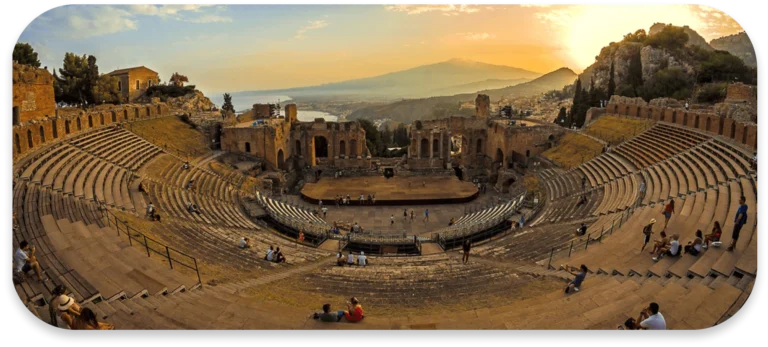
One of the most compelling settings within Christian historical fiction is the world of the early church. The first-century Roman world was marked by empire, trade, cultural diversity, political pressure, and spiritual searching. Roads connected distant cities across the Mediterranean. Ideas moved alongside merchants, soldiers, travelers, and communities scattered across the empire.
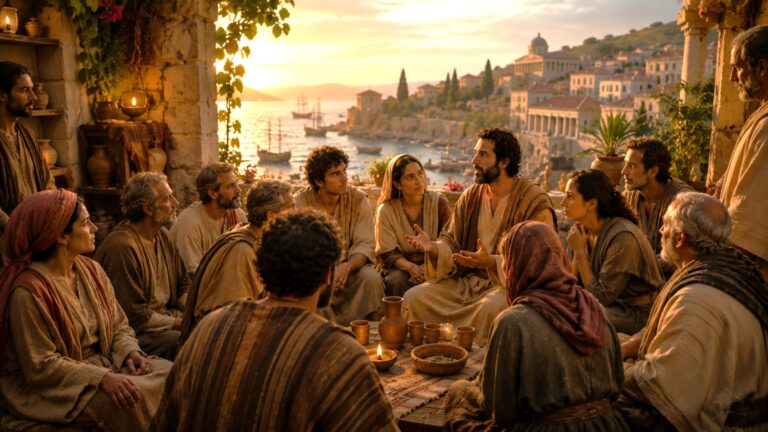
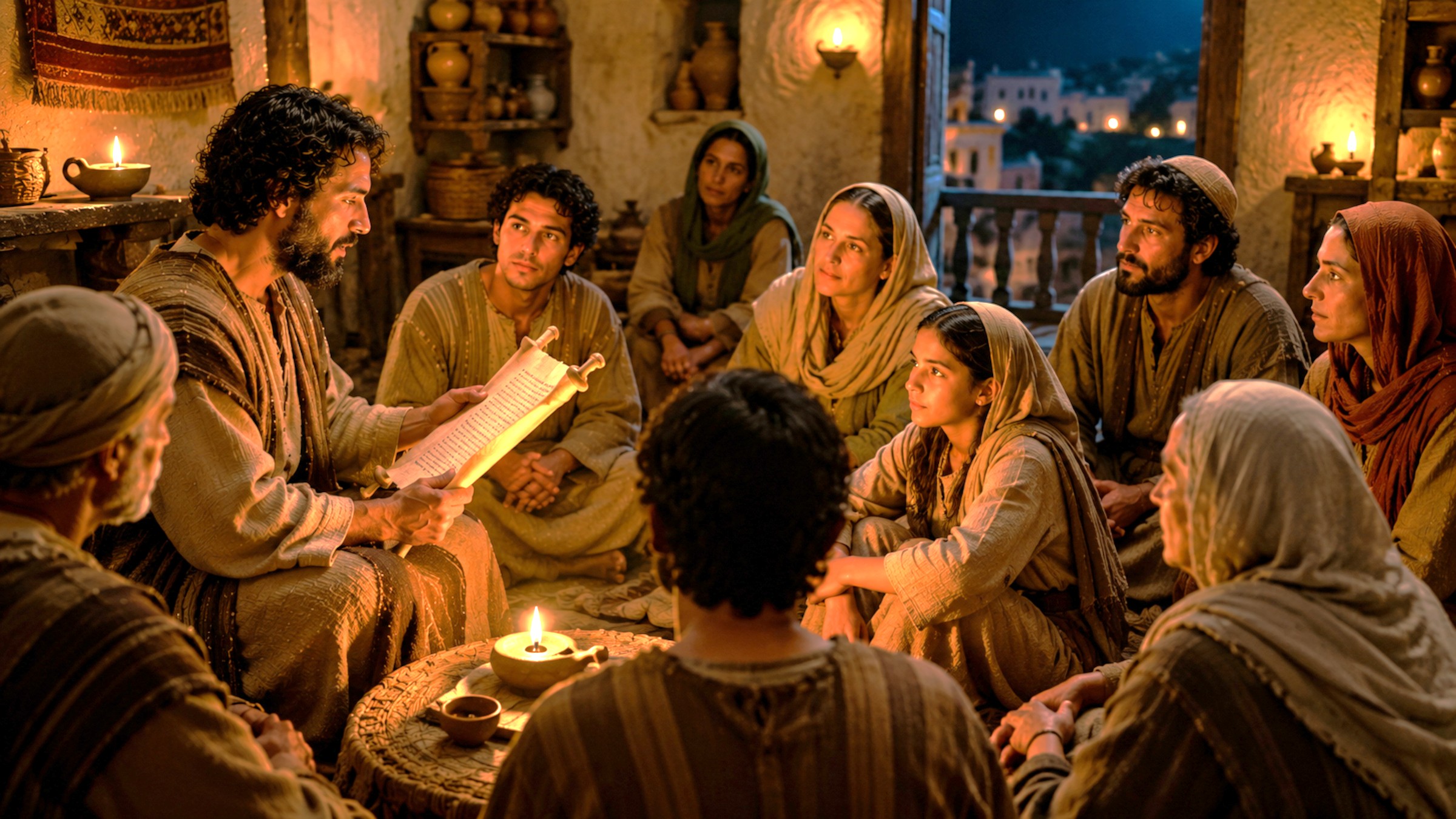
Within this setting, the early followers of Jesus formed communities shaped by prayer, shared meals, worship, hospitality, and the belief that God was doing something new in the world.
Stories set during this period often explore:
- the missionary journeys of Paul
- Roman persecution
- household churches
- Jewish and Gentile relationships
- the spread of the Good News across cultures
- the tension between empire and the kingdom of God
For many readers, the world of the early church feels both historically fascinating and spiritually resonant because it combines ordinary life with moments of profound historical and personal change.
Different Kinds of Christian Historical Fiction
Christian historical fiction includes a wide range of storytelling styles and historical settings.
Some novels focus closely on biblical figures and events. Others follow fictional families whose lives unfold alongside larger moments in history. Some emphasize romance, while others center on spiritual transformation, political conflict, family loyalty, or community life.
Readers drawn to the ancient world often appreciate stories that balance:
- strong historical atmosphere
- emotionally grounded characters
- thoughtful spiritual themes
- believable human struggles
- immersive everyday detail
The strongest novels rarely feel like lessons. Instead, they invite readers to inhabit another world and experience it through the lives of people who feel real.
Why These Stories Still Matter
Christian historical fiction continues to resonate because it reminds readers that faith has always unfolded within the realities of ordinary human life. The people of the past faced uncertainty, disappointment, division, sacrifice, grief, and hope just as people do today.
These stories also preserve memory. They help modern readers imagine the lived experience behind Scripture, history, and tradition. Roads, homes, meals, letters, friendships, fears, and acts of courage become visible again through narrative.
For believers, these novels can deepen historical imagination and spiritual reflection.
For other readers, they offer immersive windows into cultures, communities, and questions that helped shape the world we inherited.
At their best, these stories help readers feel not only what happened long ago—but what it may have felt like to live through it.
Author Note
As we began writing the Nightingale Mountain Trilogy, we found ourselves increasingly drawn to the everyday realities of the early church world: households, journeys, friendships, tensions, worship, uncertainty, and hope within the Roman Empire. More than anything, we wanted the world behind the New Testament to feel inhabited by real people living through changing times.
Explore More
You can explore related posts across the remaining areas of the St. Hans blog: Nightingale Mountain Trilogy, Ministry & Church Leadership, Updates & Releases.
Frequently Asked Questions
What is Christian historical fiction?
Christian historical fiction is a genre that combines historical settings and storytelling with themes related to faith, spiritual life, and the lived experiences of people shaped by religious belief.
What are some popular settings for Christian historical fiction?
Common settings include biblical times, the Roman Empire, the early church, medieval Europe, the Reformation, and various periods of modern history.
Why do readers enjoy Christian historical fiction?
Many readers enjoy the combination of immersive history, emotionally grounded storytelling, spiritual themes, and meaningful human questions explored through another time and place.
What makes early church historical fiction unique?
Stories set in the early church world often combine Roman history, biblical context, cultural tension, persecution, travel, and the spread of Christianity throughout the Mediterranean world.
What is the Nightingale Mountain Trilogy about?
The Nightingale Mountain Trilogy is a Christian historical fiction series set in the first-century Roman world, exploring the lives of families and communities connected to the growth of the early church.
Written by D. D. Shiell — Author of the Nightingale Mountain Trilogy