What did it mean to follow Jesus in a world where loyalty, identity, and survival were deeply tied to the power of Rome?
For many modern readers, the Roman Empire is remembered through marble temples, military power, roads, arenas, and emperors. Yet beneath the grandeur of Rome stood a world shaped by political pressure, public loyalty, economic dependence, and social expectation. Religion was woven into civic life, family identity, public festivals, and allegiance to the empire itself.
Into this world came the growing movement of early Christians.
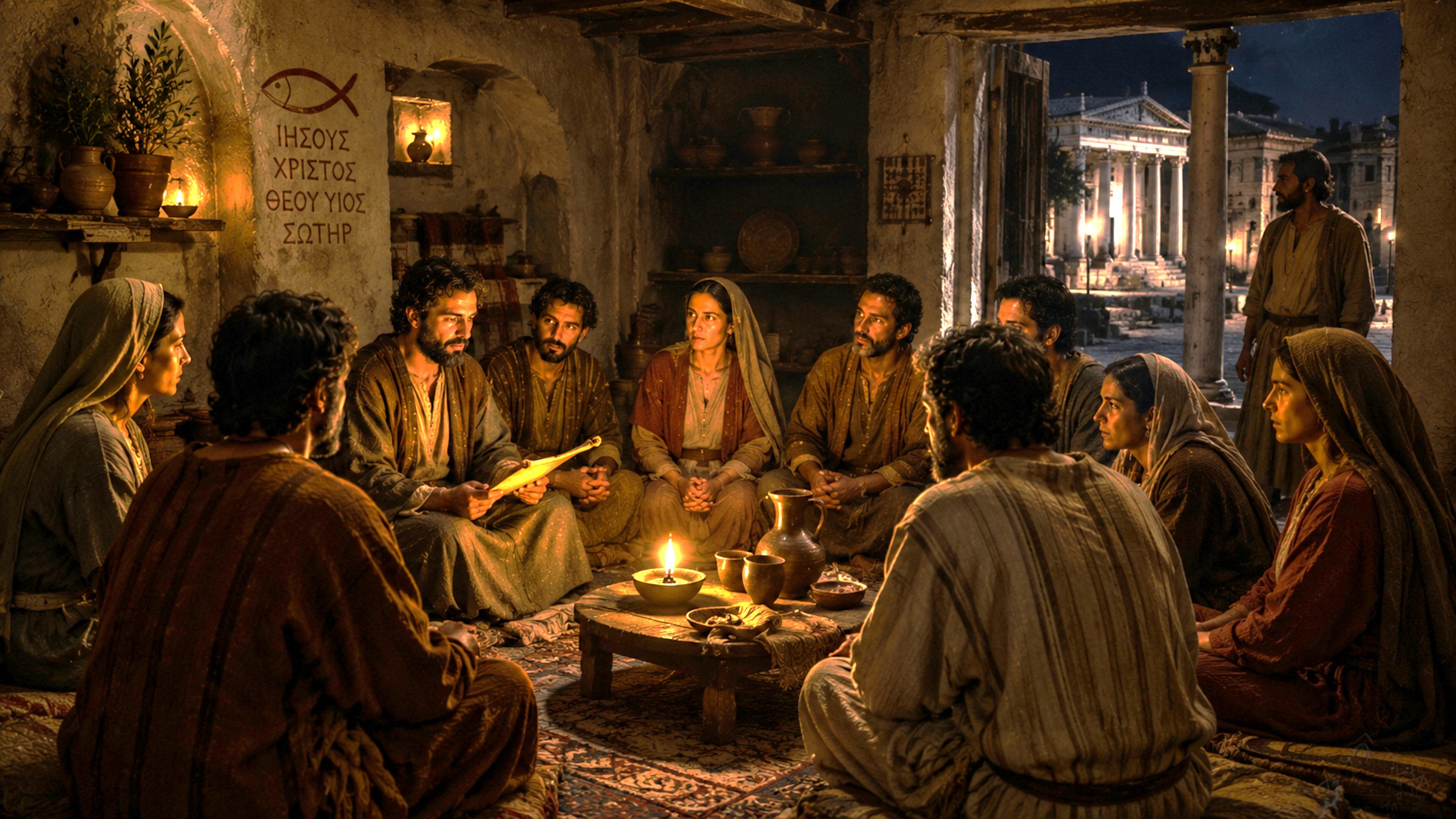
At first, these communities appeared small and largely unnoticed—gathering in homes, sharing meals, praying together, caring for the poor, and proclaiming the message of Jesus across cities and trade routes throughout the empire. But over time, tensions emerged between the claims of Rome and the convictions of those who believed their ultimate loyalty belonged to the kingdom of God.
The story of Christian persecution in Rome is not only a story of suffering and martyrdom. It is also a story of endurance, community, courage, and the difficult choices ordinary people faced in uncertain times.
Why Were Early Christians Persecuted in Rome?
The persecution of Christians in the Roman world did not happen all at once or in the same way everywhere. At different times and in different places, suspicion toward Christians grew from a mixture of political fear, cultural misunderstanding, religious tension, and social disruption.
Romans generally expected people to participate in public religious life as part of civic loyalty and social stability. Sacrifices, festivals, and expressions of honor toward the gods—and eventually toward the emperor—were woven into daily life.
Christians often refused to participate in these practices because they believed worship belonged to God alone.
This refusal could appear dangerous or disloyal within Roman society. Christians were sometimes viewed as people who rejected long-standing traditions, disrupted social harmony, or withdrew from public religious obligations tied to the welfare of the empire.
Misunderstandings also spread easily. Christian gatherings were private. Their beliefs about Jesus’ death and resurrection sounded strange to outsiders unfamiliar with Jewish or Christian teachings. Rumors circulated. Suspicion deepened.
Yet most early Christians were not political revolutionaries. Many simply hoped to live quietly, worship faithfully, care for one another, and remain loyal to what they believed God had revealed through Jesus.
Nero and the Persecution of Christians
One of the most well-known periods of persecution came during the reign of Emperor Nero after the Great Fire of Rome in 64 CE.
Ancient sources describe how suspicion surrounding the fire created unrest throughout the city. According to later accounts, Nero sought to redirect blame toward Christians, who had already become an unpopular and misunderstood minority within parts of Roman society.
The exact details remain debated among historians, but the memory of Nero’s persecution became deeply rooted within early Christian tradition. Christians were arrested, publicly punished, and in some cases executed.
It was within this atmosphere that traditions surrounding the deaths of Peter and Paul eventually emerged.
For early believers, these events became more than moments of political oppression. They became part of a larger story about faithfulness under pressure and the conviction that allegiance to God could carry a personal cost.
Faith, Courage, and the Meaning of Martyrdom
The word martyr originally carried the meaning of “witness.” For early Christians, martyrdom was not pursued as spectacle or glory. It was understood as remaining faithful to Jesus even when facing fear, suffering, exclusion, or death.
Many believers likely lived ordinary lives that never led to imprisonment or execution. Yet the possibility of pressure, accusation, or public suspicion remained part of the world they inhabited.
Some Christians lost social standing, business relationships, or family connections because of their beliefs. Others faced imprisonment or violence during periods of intensified persecution.
What sustained many of these communities was not simply stubbornness or defiance. Early Christians believed that the resurrection of Jesus had changed the meaning of suffering and death itself. They believed the kingdom of God stood above the power of empires, and that the Holy Spirit remained present with believers during times of fear and uncertainty.
This conviction shaped how many early Christians understood courage—not as the absence of fear, but as faithfulness in the midst of it.
Daily Life for Christians Under Roman Pressure
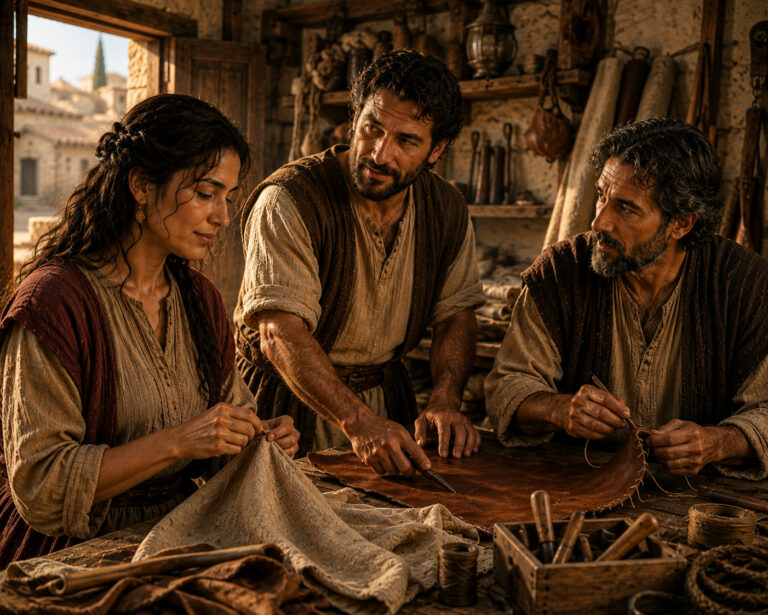
Most of the time, life for Christians in the Roman world unfolded quietly within ordinary routines. People worked trades, traveled roads, raised families, shared meals, and gathered in homes for worship and prayer.
Yet pressure could emerge suddenly.
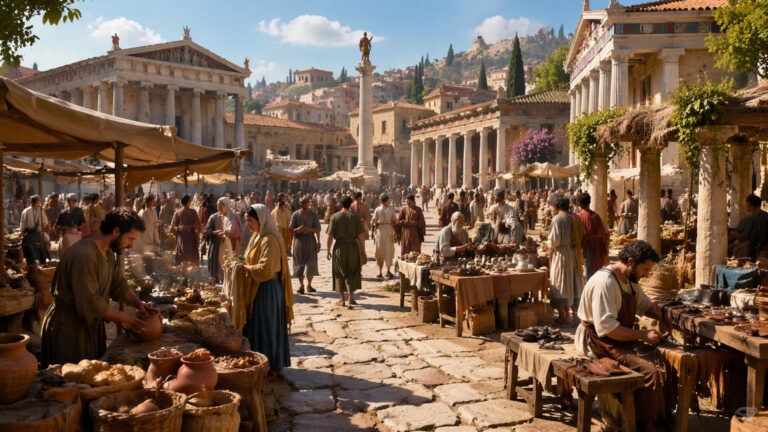
Public festivals honoring Roman gods or the emperor created difficult choices. Family expectations could divide households. Trade guilds often included religious obligations tied to pagan worship. Refusing participation sometimes carried social or economic consequences.
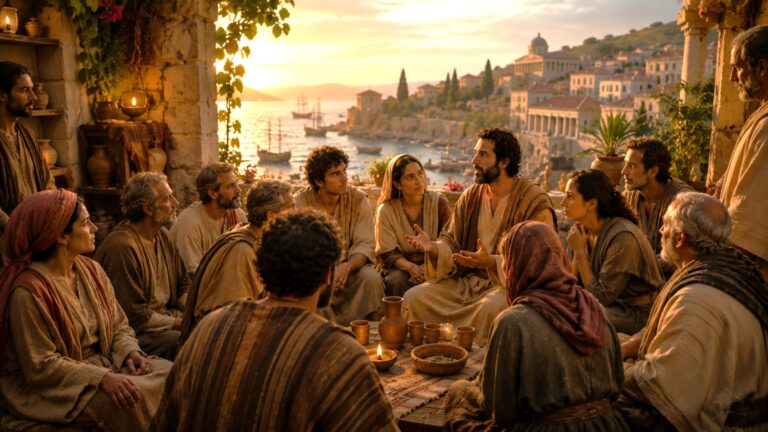
Within this world, Christian communities became places of mutual support and encouragement. Hospitality, generosity, prayer, and shared responsibility helped believers remain connected during uncertain times.
Letters circulated between communities. Travelers carried news and encouragement across long distances. The language of hope, endurance, and faithfulness found throughout the New Testament emerged from real communities navigating these realities together.
How Persecution Shaped the Early Church
Persecution did not define every moment of early Christian history, but it shaped the identity and memory of the church in lasting ways.
The experience of vulnerability deepened the importance of community. Shared suffering strengthened bonds between believers across regions and cultures. Stories of endurance and faithfulness circulated from one generation to another.
At the same time, persecution forced Christians to wrestle with difficult questions. How should believers respond to political authority? What does faithful witness look like within an empire? How should fear, suffering, forgiveness, and hope shape the life of the church?
These questions did not disappear with Rome. In different forms, they continued throughout Christian history and remain relevant in many parts of the world today.
Why This Still Matters
The story of Christian persecution in Rome continues to resonate because it reveals something deeply human about conviction, identity, fear, and hope.
The early Christians were not larger-than-life figures standing outside history. Many were ordinary people trying to remain faithful within complicated political and social realities. They faced uncertainty about the future, pressure from surrounding culture, and difficult questions about belonging and loyalty.
For believers, these stories remain reminders that faithfulness has often carried a cost and that hope can endure even in difficult circumstances.
For other readers, the story offers insight into how small communities survived and spread within one of history’s most powerful empires—not primarily through force or influence, but through relationships, endurance, shared belief, and a vision of life shaped by the kingdom of God.
Author Note
As we wrote the Nightingale Mountain Trilogy, the realities of Roman pressure, uncertainty, and endurance became important parts of how we imagined the world of the early church. The tension between empire and faith shaped not only public events, but the private lives of ordinary people trying to remain faithful within changing times.
Explore More
You can explore related posts across the remaining areas of the St. Hans blog: Nightingale Mountain Trilogy, Ministry & Church Leadership, Updates & Releases.
Frequently Asked Questions
Why were Christians persecuted in the Roman Empire?
Christians were often viewed with suspicion because they refused certain public religious practices tied to Roman civic life and emperor worship. Their growing movement was sometimes seen as socially disruptive or politically disloyal.
Did all Roman emperors persecute Christians?
No. Persecution varied greatly depending on time, location, and political circumstances. Some periods were relatively peaceful, while others brought intensified pressure or violence.
Who was Nero and why is he associated with Christian persecution?
Nero was the Roman emperor during the Great Fire of Rome in 64 CE. Ancient sources and later Christian tradition connect his reign with one of the earliest major persecutions of Christians in Rome.
What does martyr mean in early Christianity?
The word martyr originally meant “witness.” Early Christians used it to describe believers who remained faithful to Jesus even under suffering, persecution, or death.
How did persecution affect the growth of the early church? Persecution strengthened community bonds, shaped Christian identity, and reinforced themes of hope, endurance, and faithfulness that continued to influence the church across generations.
Written by D. D. Shiell — Author of the Nightingale Mountain Trilogy