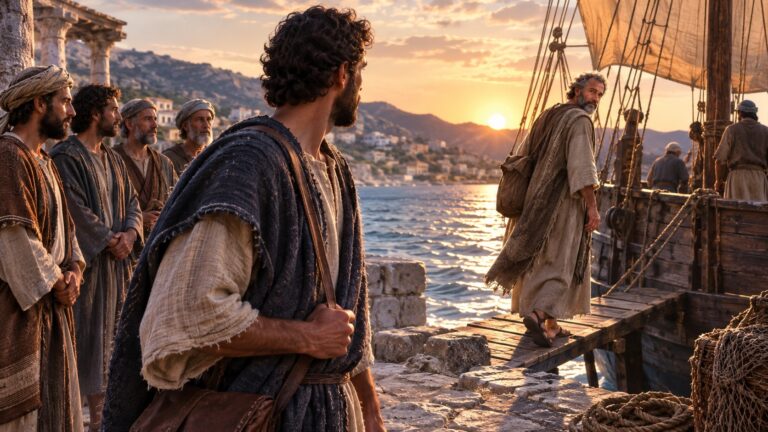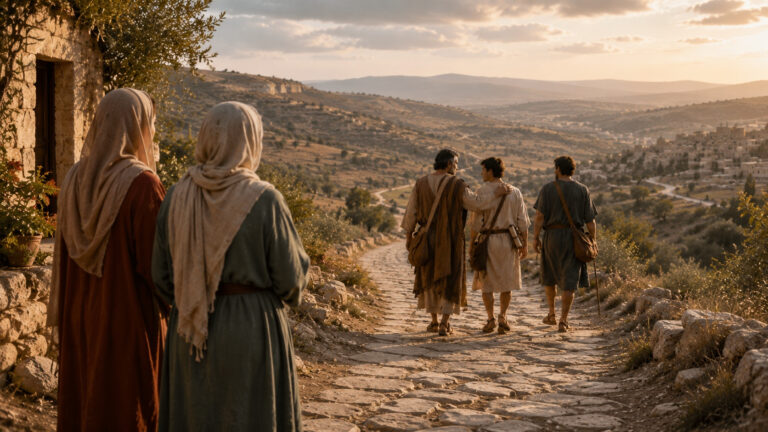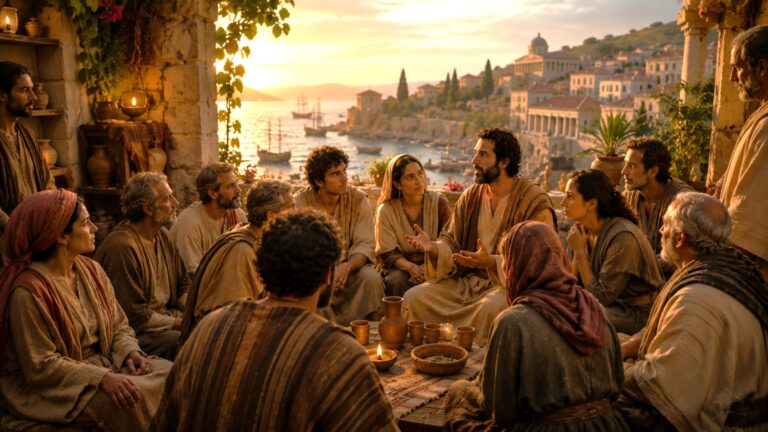
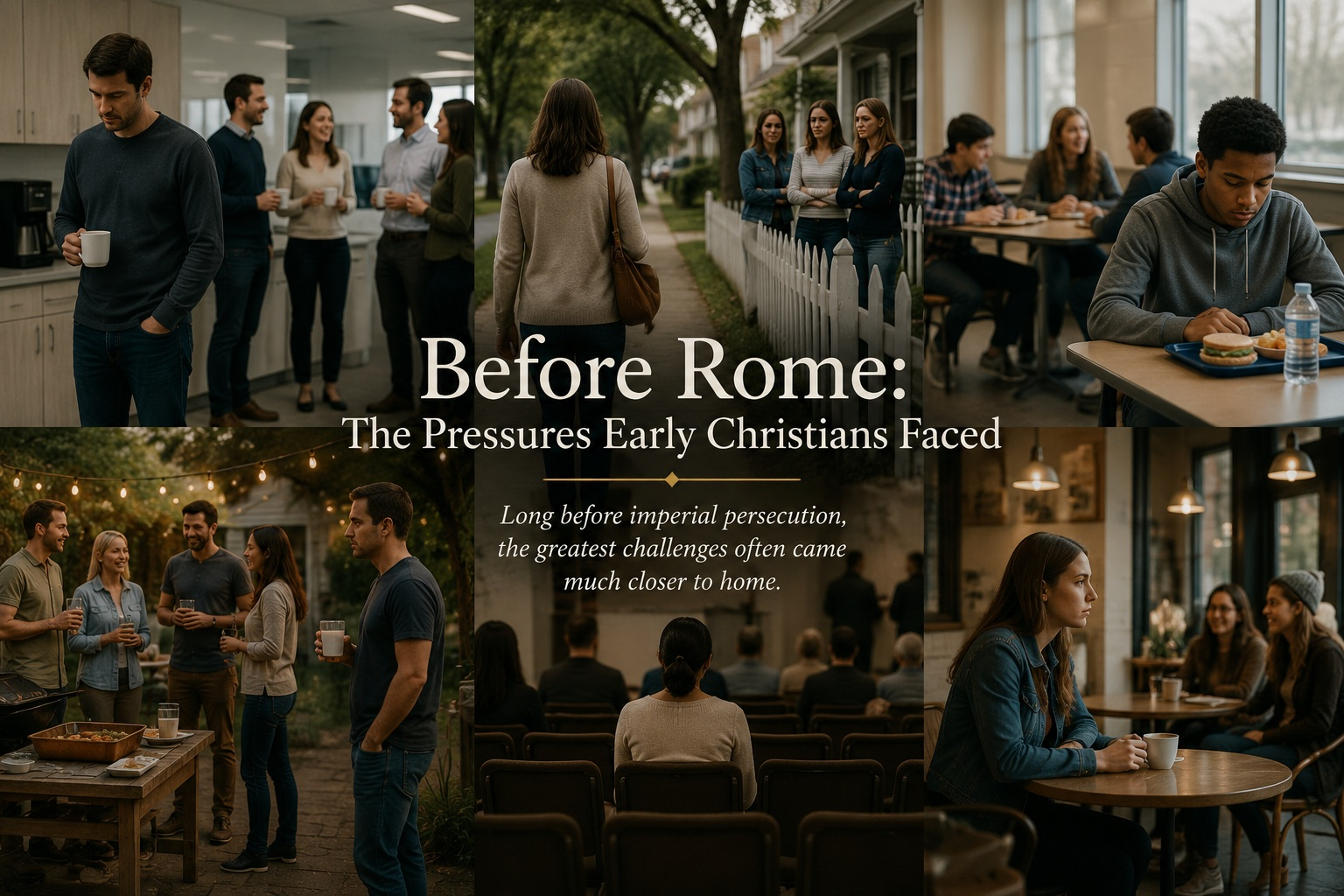
Long before imperial persecution became a defining feature of Christian history, the first believers learned that following Jesus often brought quiet but costly pressures into everyday life.
When many people think about the early church, they picture Roman arenas, imprisoned apostles, or courageous martyrs.
Those events certainly became part of the church’s story.
But they were not where the story began.
For most of the first century, the greatest challenges Christians faced were often much closer to home.
They emerged around family tables, in neighborhood conversations, in marketplaces, and within communities where everyone knew one another.
Following Jesus Changed Relationships
The earliest believers did not leave one world and enter another.
They continued living among the same families, friends, neighbors, and coworkers they had always known.
What changed was their understanding of who Jesus was.
That new allegiance sometimes created misunderstanding.
Some family members questioned their decisions.
Friends wondered why familiar customs were no longer embraced.
Neighbors became suspicious of gatherings they did not understand.
The pressure was often personal long before it became political.
Economic Pressures
Faith could also affect a person’s livelihood.
A merchant might lose customers because of new convictions.
A craftsman might struggle with expectations tied to pagan festivals or civic celebrations.
Business relationships could become strained when Christians chose integrity over practices they believed conflicted with their faith.
For many believers, following Jesus involved practical sacrifices that never appeared in official records.
Social Isolation
The Roman world valued belonging.
Families, guilds, neighborhoods, and civic organizations gave people identity and support.
When Christians declined certain religious or civic activities, others sometimes viewed them as strange, uncooperative, or even disloyal.
Many believers experienced a quiet loneliness.
Not because they sought separation.
But because faithfulness sometimes placed distance between themselves and the surrounding culture.
A Community That Carried One Another
The early church responded to these pressures in a remarkable way.
Believers gathered regularly.
Shared meals.
Prayed together.
Supported one another in times of need.
Encouraged those who were discouraged.
The church became more than a place of worship.
It became an extended family.
That sense of belonging helped many Christians remain faithful through pressures that outsiders rarely noticed.
Why This Still Matters
Most followers of Jesus never faced an emperor.
Many never appeared before a governor or magistrate.
Yet nearly all experienced the quieter pressures of living differently within the communities they called home.
Those ordinary challenges remind us that faithfulness is often formed long before extraordinary trials arrive.
The courage that later sustained believers during persecution was usually shaped in countless unseen decisions made in everyday life.
Author Note
As we wrote the Nightingale Mountain Trilogy, we found ourselves drawn not only to the dramatic moments recorded in Scripture but also to the quieter realities that surrounded them. The first Christians lived among families, neighbors, coworkers, and friends whose responses to their faith could be encouraging, confusing, or painful. Those ordinary pressures became an important part of the world we sought to portray.
Featured Reading
If you enjoy exploring the historical world behind the New Testament, we invite you to continue the journey through the Nightingale Mountain Trilogy. The novels bring to life the people, places, and everyday realities of the first-century church, where history and faith meet through story.
Explore More
You can explore related posts across the remaining areas of the St. Hans blog: Nightingale Mountain Trilogy, Ministry & Church Leadership, Updates & Releases.
Frequently Asked Questions
What is Christian historical fiction?
Christian historical fiction is a genre that combines historical settings and storytelling with themes related to faith, spiritual life, and the lived experiences of people shaped by religious belief.
What are some popular settings for Christian historical fiction?
Common settings include biblical times, the Roman Empire, the early church, medieval Europe, the Reformation, and various periods of modern history.
Why do readers enjoy Christian historical fiction?
Many readers enjoy the combination of immersive history, emotionally grounded storytelling, spiritual themes, and meaningful human questions explored through another time and place.
What makes early church historical fiction unique?
Stories set in the early church world often combine Roman history, biblical context, cultural tension, persecution, travel, and the spread of Christianity throughout the Mediterranean world.
What is the Nightingale Mountain Trilogy about?
The Nightingale Mountain Trilogy is a Christian historical fiction series set in the first-century Roman world, exploring the lives of families and communities connected to the growth of the early church.
Written by D. D. Shiell — Author of the Nightingale Mountain Trilogy