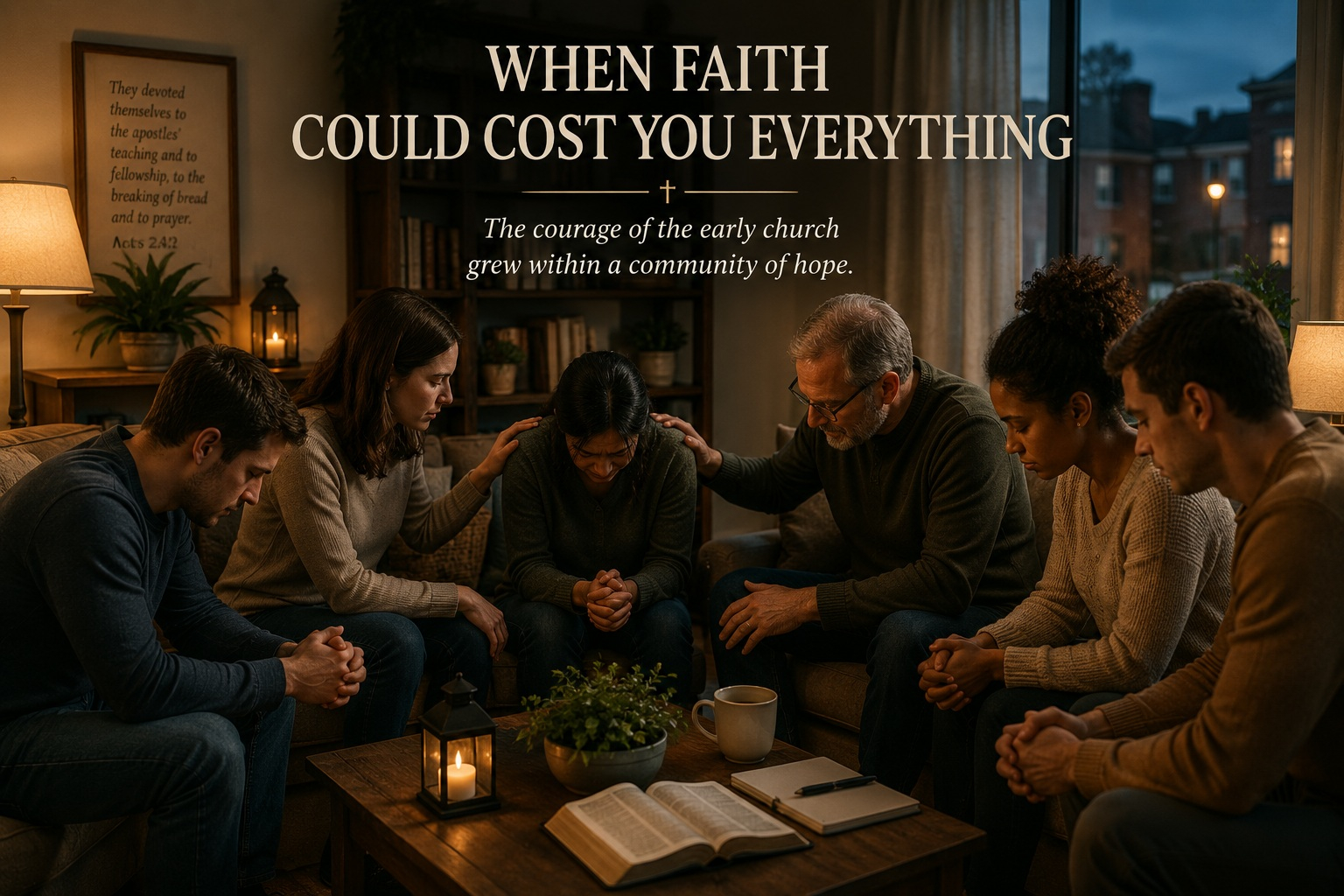
For many of the earliest Christians, following Jesus was never merely a private belief. At times, it required a willingness to surrender security, reputation, relationships, and even life itself.
When we remember the early church, our thoughts often turn to stories of remarkable courage.
The apostles preaching despite opposition.
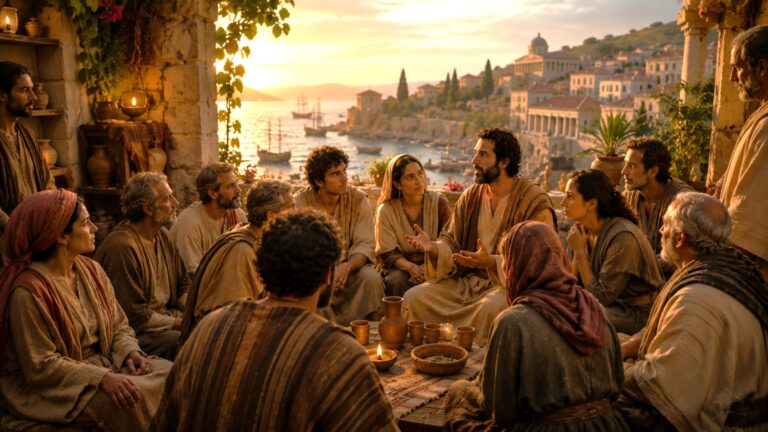
Believers gathering quietly in homes.
Men and women refusing to abandon their faith even when doing so carried enormous personal risk.
Those moments inspire us because they remind us that faith has always involved more than belief alone.
It also involves trust.
Courage Was Usually Built Slowly
Few Christians awoke one morning expecting to become heroes.
Most simply tried to live faithfully where God had placed them.
They cared for their families.
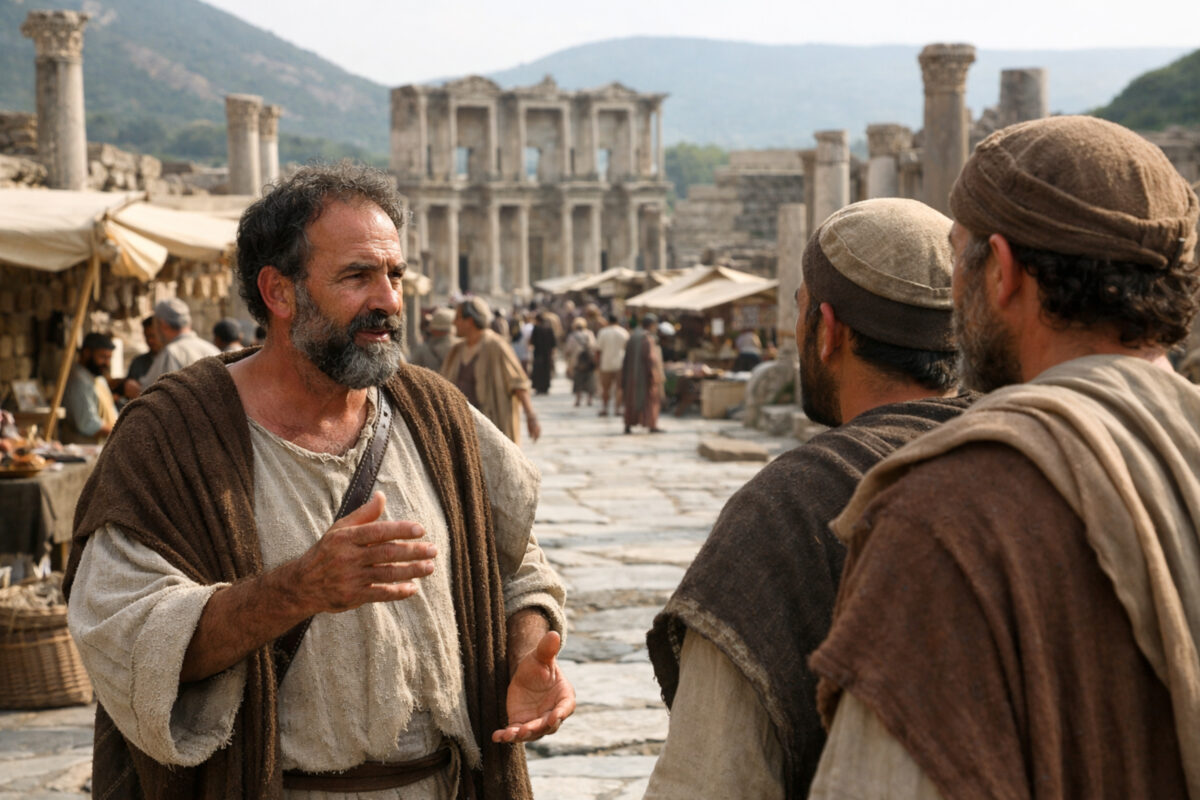
Worked ordinary occupations.
Shared meals with other believers.
Prayed together.
Encouraged one another.
Long before faith demanded extraordinary courage, it was shaping ordinary habits.
Those daily choices prepared believers for greater challenges that might come later.
The Cost Was Different for Everyone
Not every Christian faced imprisonment.
Not every believer became a martyr.
Yet nearly every follower of Jesus paid some kind of price.
Some lost friendships.
Others faced rejection within their families.
Some sacrificed business opportunities.
Others endured suspicion, ridicule, or exclusion from their communities.
Faithfulness carried many different costs.
Each required trust.
Hope Was Stronger Than Fear
The early Christians possessed something that surprised both friends and opponents.
Hope.
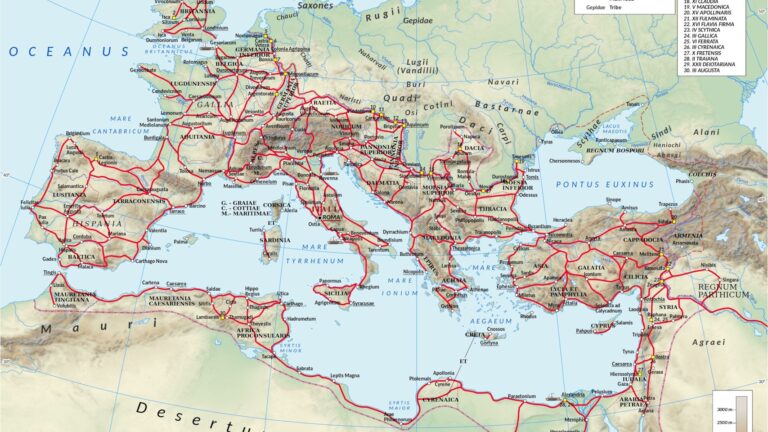
Their confidence rested not in the stability of the Roman Empire but in the promises of God.
That hope did not remove suffering.
It transformed the way they endured it.
They believed that no earthly power could separate them from the love of God revealed through Jesus Christ.
That conviction gave ordinary believers remarkable resilience.
A Community That Sustained Courage
No one walked this path alone.
The church prayed together.
Shared resources.
Welcomed strangers.
Cared for widows.
Supported those who suffered.
Celebrated baptisms.
Remembered the teachings of the apostles.
Sang together.
The courage of the early church was never merely individual.
It grew within a community shaped by worship, fellowship, and hope.
Why This Still Matters
Most of us will never face the same circumstances as the first Christians.
Yet every generation encounters moments when following Jesus requires sacrifice.
Sometimes the cost is public.
More often it is quiet.
Integrity over convenience.
Faithfulness over acceptance.
Hope over fear.
The story of the early church reminds us that courage is rarely created in a single dramatic moment.
It is formed through a lifetime of faithful decisions, one day at a time.
Author Note
As we wrote the Nightingale Mountain Trilogy, we wanted courage to appear as it often does in real life—not only in extraordinary acts of heroism but also in the quiet faithfulness of ordinary believers. Again and again, we discovered that the strength of the early church grew from communities shaped by hope, worship, and enduring trust in God.
Featured Reading
If you enjoy exploring the historical world behind the New Testament, we invite you to continue the journey through the Nightingale Mountain Trilogy. The novels bring to life the people, places, and everyday realities of the first-century church, where history and faith meet through story.
Explore More
You can explore related posts across the remaining areas of the St. Hans blog: Nightingale Mountain Trilogy, Ministry & Church Leadership, Updates & Releases.
Frequently Asked Questions
What is Christian historical fiction?
Christian historical fiction is a genre that combines historical settings and storytelling with themes related to faith, spiritual life, and the lived experiences of people shaped by religious belief.
What are some popular settings for Christian historical fiction?
Common settings include biblical times, the Roman Empire, the early church, medieval Europe, the Reformation, and various periods of modern history.
Why do readers enjoy Christian historical fiction?
Many readers enjoy the combination of immersive history, emotionally grounded storytelling, spiritual themes, and meaningful human questions explored through another time and place.
What makes early church historical fiction unique?
Stories set in the early church world often combine Roman history, biblical context, cultural tension, persecution, travel, and the spread of Christianity throughout the Mediterranean world.
What is the Nightingale Mountain Trilogy about?
The Nightingale Mountain Trilogy is a Christian historical fiction series set in the first-century Roman world, exploring the lives of families and communities connected to the growth of the early church.
Written by D. D. Shiell — Author of the Nightingale Mountain Trilogy