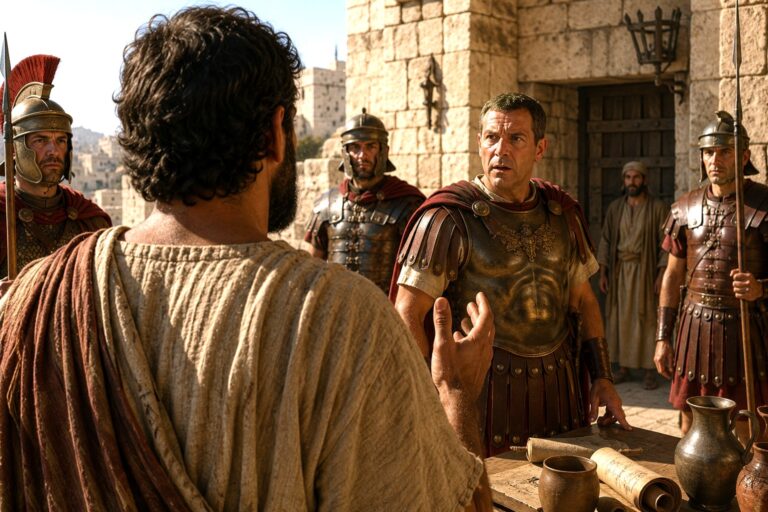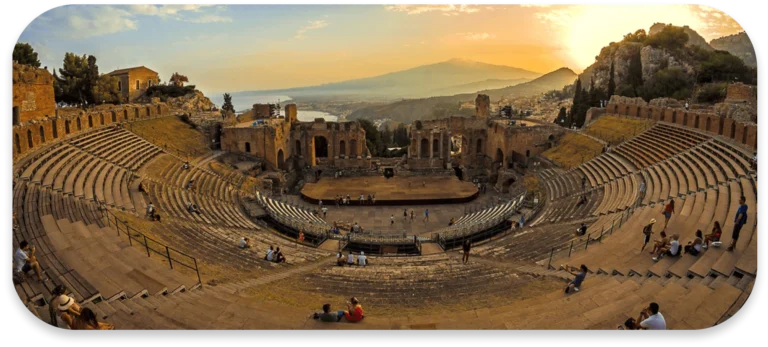
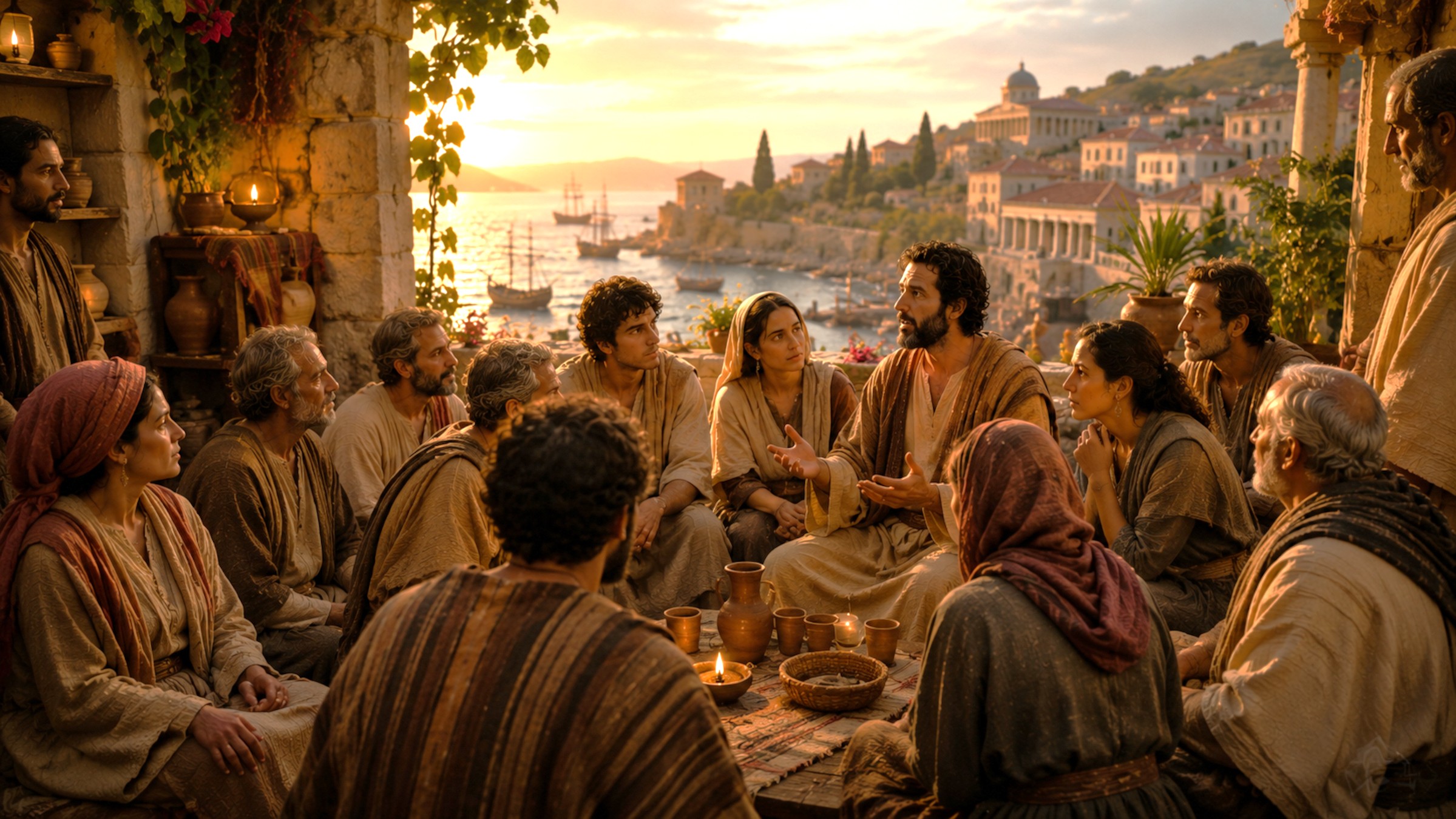
How did a small movement centered in Jerusalem spread across cities, cultures, and languages throughout the Roman world?
The Acts of the Apostles opens a window into the world of the early church. It is a story of journeys, households, gatherings, conflict, courage, and unexpected growth. Across crowded streets, sea routes, synagogues, marketplaces, and homes, the message of Jesus moved outward into places shaped by Roman power, Greek culture, and Jewish tradition.
Yet Acts describes more than the spread of a movement. The people within its pages believed God Himself was continuing a story already unfolding through the life, death, and resurrection of Jesus. They believed the Holy Spirit was guiding, sustaining, and sending them into a changing world.
For many readers, Acts is remembered for dramatic moments—Pentecost, Paul’s journeys, prison escapes, and public sermons. Yet beneath these events is something quieter and deeply human: communities learning how to live together, share life together, endure hardship together, and carry forward the hope they believed God had placed among them.
What Is the Acts of the Apostles and Why Is It Important?
The Acts of the Apostles is the New Testament book that describes the growth of the early church after the resurrection of Jesus. It follows the movement from Jerusalem outward into the wider Roman world, tracing how communities of believers formed across regions, cultures, and languages.
Acts matters because it connects people, places, and events that shaped the earliest years of Christianity. It reveals how ordinary people responded to uncertainty, opposition, changing circumstances, and new opportunities as the message of Jesus spread from one city to another.
The book also helps readers understand the world behind many of Paul’s letters and the relationships that shaped the early Christian movement. More than this, Acts presents the early followers of Jesus as people who believed they were participating in the unfolding work of God and the spread of His kingdom into the world.
Who Wrote the Acts of the Apostles?
Early Christian tradition consistently connected the Acts of the Apostles with Luke, the companion of Paul and the author traditionally associated with the Gospel of Luke. Together, Luke and Acts form a two-part account that moves from the life of Jesus into the life of the early church.
The writing itself reflects careful attention to people, travel, geography, and historical setting. In several sections, the narrative shifts into the language of “we,” suggesting the author traveled alongside Paul during parts of these journeys.
Acts does not present itself as an abstract history. It moves through real cities, real tensions, and real communities shaped by the pressures and possibilities of life within the Roman Empire. At the same time, Luke consistently portrays these events as part of a larger story guided by prayer, providence, and the work of the Holy Spirit.
The Birth of the Early Christian Church in Acts
Acts begins in Jerusalem, where the earliest followers of Jesus gathered in uncertainty and expectation after his resurrection and ascension. From the beginning, the story remains deeply connected to the Jewish world of the Scriptures, prayer, worship, and shared tradition.
One of the defining moments in Acts is Pentecost, when the earliest believers experienced what they understood to be the empowering presence of the Holy Spirit. People from different regions and languages heard the message proclaimed, and the movement began expanding outward beyond its earliest circles.
As the church grew, new questions emerged. How would communities remain connected across distance? What did it mean for Jews and Gentiles to share life together? How could people from different backgrounds become part of the same community shaped by faith in Jesus?
The early church did not develop apart from everyday life. It took shape within homes, shared meals, marketplaces, work, travel, prayer, and public spaces. Acts preserves these moments not simply as events, but as lived experience within communities learning how to follow God together in a changing world.
Key Events in the Acts of the Apostles
Acts follows a widening movement outward from Jerusalem into Judea, Samaria, Asia Minor, Greece, and eventually Rome itself. Along the way, several moments stand out as turning points in the story of the early church.
The day of Pentecost marked the beginning of public witness in Jerusalem. The ministry of Peter helped carry the message beyond its earliest circles. Stephen’s death revealed the growing tensions surrounding the movement. The conversion of Saul of Tarsus introduced the man who would later become Paul the apostle.
From there, the journeys expanded. Antioch became an important center for the growing church. Paul and his companions traveled across Roman roads and sea routes, forming communities in cities such as Philippi, Corinth, and Ephesus.
Acts repeatedly describes moments of prayer, visions, encouragement, and guidance by the Holy Spirit as these journeys unfolded. The early believers did not see themselves as building a movement through human effort alone. They believed God was opening doors, sustaining communities, and carrying the message of Jesus across boundaries that once divided people.
By the close of Acts, the story reaches Rome—the center of imperial power—where the message continued to spread.
Women, Leaders, and Daily Life in the Early Church
Acts preserves glimpses of many different people who shaped the life of the early church. Some preached publicly. Others opened their homes, supported travelers, shared resources, taught new believers, or carried messages between communities.
Women such as Lydia and Priscilla appear within the story not at the edges, but as active participants in the life of these growing communities. Households became places of gathering, hospitality, teaching, prayer, and worship.
Acts presents the growth of the church not only through public sermons or dramatic events, but through networks of relationships, friendship, generosity, work, and shared responsibility. Leadership often appeared less formal than many later readers might expect. The movement depended on trust, sacrifice, hospitality, and the willingness of ordinary people to support one another across distance and uncertainty.
Reading Acts Today
The Acts of the Apostles continues to draw readers because it captures moments of transition, movement, and shared hope. The people within its pages rarely knew what would happen next. They traveled uncertain roads, faced disagreement and opposition, endured suffering, and learned how to remain connected across growing distances.
Acts also reminds readers that the early church was not built only through public preaching or dramatic moments. Much of its life unfolded quietly—in conversations, homes, shared meals, prayer, work, travel, and acts of generosity.
At the center of the story stands a shared conviction: that God was continuing His work in the world through imperfect people willing to follow where they believed He was leading them.
To read Acts today is to encounter a world that still feels deeply human.
Why This Still Matters
Acts preserves more than the memory of a growing movement. It reveals how communities form, adapt, and endure during times of uncertainty and change. Across cities and cultures, people learned how to carry shared beliefs, responsibilities, and hope into ordinary life together.
The world of Acts was shaped by empire, distance, economic pressure, cultural difference, and shifting loyalties. Yet within that world, communities formed that carried faith, generosity, and responsibility across generations.
For believers, Acts remains a testimony to the enduring presence of God and the continuing work of the Holy Spirit through the life of the church.
For other readers, it offers a window into one of history’s most influential movements and the deeply human relationships that helped sustain it.
Author Note
As we wrote the Nightingale Mountain Trilogy, the Acts of the Apostles became one of the most important windows into the lived experience of the early church world. Its journeys, households, tensions, prayers, and communities deeply shaped how we imagined the world behind our stories.
Explore More
You can explore related posts across the remaining areas of the St. Hans blog: Nightingale Mountain Trilogy, Ministry & Church Leadership, Updates & Releases.
Frequently Asked Questions
Who wrote the Acts of the Apostles?
Early Christian tradition identifies Luke, a companion of Paul and the author traditionally associated with the Gospel of Luke, as the writer of Acts.
When was the Acts of the Apostles written?
Most scholars place the writing of Acts sometime during the first century, likely after the Gospel of Luke.
What is the main message of the Acts of the Apostles?
Acts describes how the message of Jesus spread from Jerusalem into the wider Roman world through the life of the early church and the guidance of the Holy Spirit.
How does Acts describe the early church?
Acts presents the early church as a growing community shaped by worship, prayer, shared life, travel, generosity, teaching, and relationships across cultures and regions.
What is the best commentary on the Acts of the Apostles?
Many readers begin with accessible historical and cultural commentaries that help place Acts within the world of the Roman Empire and early Christianity.
Written by D. D. Shiell — Author of the Nightingale Mountain Trilogy