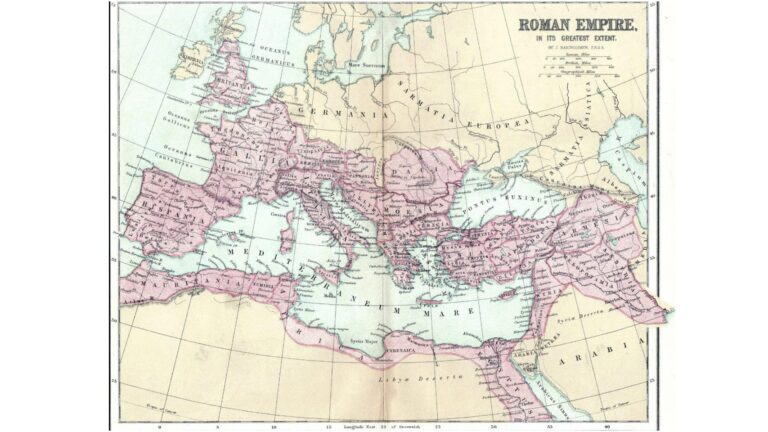
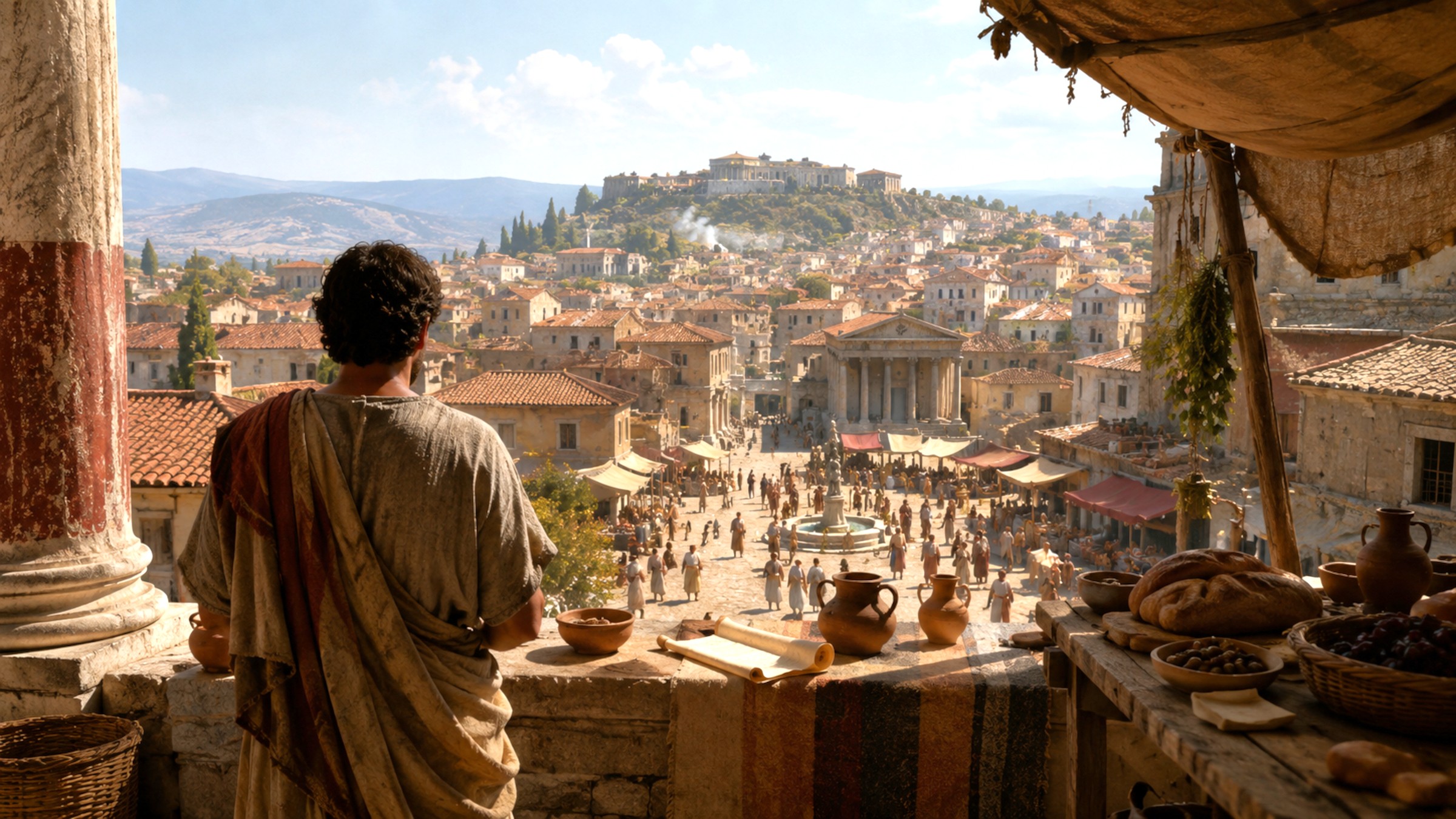
The world of the early church was shaped by an empire so vast that most people could hardly imagine life beyond its reach.
When we read the Book of Acts or the letters of Paul, it is easy to focus on the people and events while overlooking the larger world around them.
Paul traveled from city to city. Merchants carried goods across great distances. Soldiers guarded roads and public spaces. Government officials collected taxes and enforced laws. Travelers moved between provinces that stretched from Britain in the west to Syria in the east.
All of it took place within the Roman Empire. For many people living in the first century, Rome was simply part of everyday life. It provided order, maintained roads, enforced laws, and projected power across an enormous territory. Whether people admired Rome, feared Rome, or resented Rome, few could escape its influence.
THE EMPIRE EVERYONE LIVED INSIDE
The Roman Empire was not merely a distant government located in the city of Rome. Its presence could be felt almost everywhere.
Roman authority extended across much of Europe, North Africa, and the Middle East. Provinces were governed by officials appointed by Rome. Local leaders often worked alongside Roman administrators. Taxes flowed toward the imperial center, and military forces stood ready to maintain order.
Most ordinary people never met an emperor. Many never traveled far from home. Yet they lived under laws established by Roman authority and experienced the effects of decisions made hundreds or even thousands of miles away. When Luke introduces governors, magistrates, centurions, and proconsuls in Acts, he is describing people who represented a political system that shaped daily life throughout the Mediterranean world.
ROADS, TRADE, AND COMMUNICATION
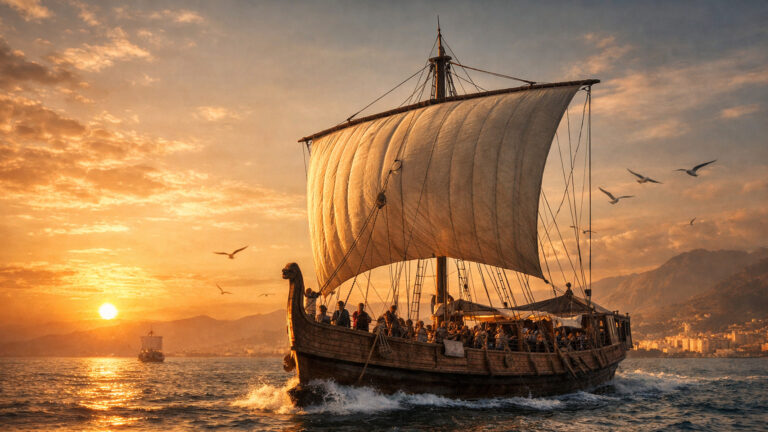
One reason Rome maintained such influence was its remarkable network of roads and sea routes.
Travel was still slow by modern standards, but the empire connected cities and regions in ways that were unprecedented for the ancient world. Merchants transported goods across vast distances. Travelers carried news from one province to another. Letters moved along trade routes and military roads.
The journeys described in Acts were possible partly because this infrastructure already existed.
When Paul traveled from Antioch to Ephesus, from Corinth to Jerusalem, or eventually toward Rome itself, he was moving through a transportation network built and maintained by imperial power.
The same roads used by soldiers, officials, and merchants also carried the message of the gospel.
PEACE THROUGH POWER
Historians often speak of the Pax Romana, the Roman Peace.
For roughly two centuries, much of the empire experienced a degree of stability that allowed trade, travel, and communication to flourish. Compared with many earlier periods, widespread warfare was reduced, and economic activity expanded.
Yet Roman peace came at a cost.
The empire maintained order through military strength. Legions stationed throughout the provinces reminded everyone where ultimate authority rested. Rebellions were crushed. Resistance could be met with severe punishment.
For people living in Judea, memories of Roman violence were never far away. The destruction of Jerusalem in AD 70 would become one of the most devastating examples of Rome’s willingness to use force when challenged. The peace that Rome offered was real, but it was peace enforced by power.
THE REACH OF ROME
The influence of Rome extended beyond government and military affairs.
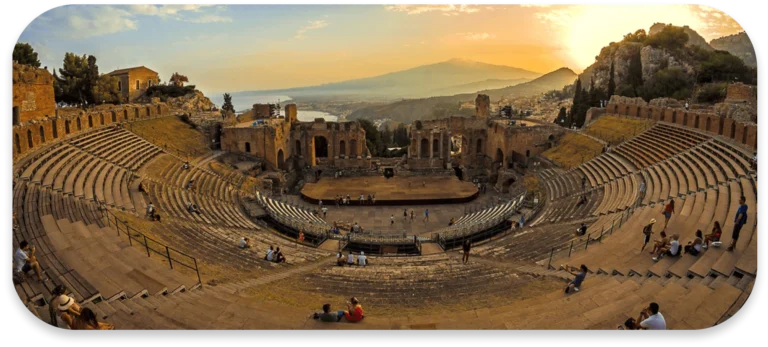
Roman culture shaped architecture, public buildings, commerce, language, and civic life. Cities throughout the empire adopted many Roman customs while also preserving local traditions and identities.
This created a fascinating mixture of cultures.
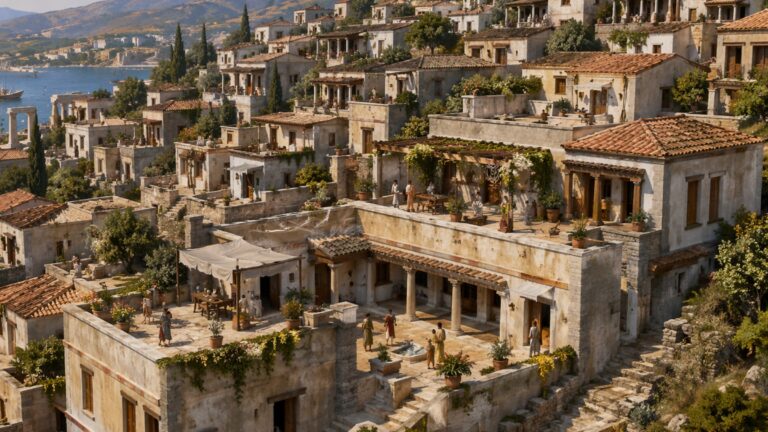
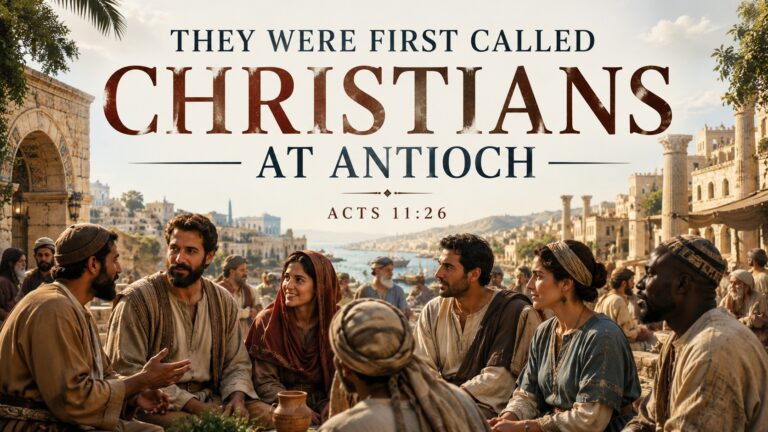
A traveler might hear Greek spoken in one marketplace, Latin used in official settings, and local languages spoken in homes and villages. Jewish communities preserved their religious traditions while living within Roman society. New Christian congregations emerged among people from many different backgrounds.
The world of the early church was remarkably diverse.
This diversity helps explain why the New Testament often addresses questions of identity, belonging, and community. Followers of Jesus came from different regions, cultures, languages, and social classes, yet they were learning how to live as one people.
WHY THIS STILL MATTERS
The Roman Empire forms the backdrop for nearly every story in the New Testament.
Understanding that world helps us better understand the challenges faced by the first Christians. They lived within powerful political structures. They navigated competing loyalties. They experienced both the benefits and burdens of life under imperial rule.
When we read Acts or the letters of Paul, we are not simply reading stories about individuals. We are entering a world shaped by Roman roads, Roman laws, Roman soldiers, and Roman authority.
Somewhere in that world, an ordinary believer walked home from a gathering of fellow Christians and stepped back into the realities of daily life under Rome.
The empire was still there. But so was the hope they had found in Christ.
Author Note
As writers of Christian historical fiction, we often find ourselves trying to imagine what daily life felt like for the people who first heard the gospel. The more we learn about the Roman world, the more vividly we can picture the challenges, opportunities, and uncertainties they faced as they followed Christ.
Explore More
You can explore related posts across the remaining areas of the St. Hans blog: Nightingale Mountain Trilogy, Ministry & Church Leadership, Updates & Releases.
Frequently Asked Questions
What is Christian historical fiction?
Christian historical fiction is a genre that combines historical settings and storytelling with themes related to faith, spiritual life, and the lived experiences of people shaped by religious belief.
What are some popular settings for Christian historical fiction?
Common settings include biblical times, the Roman Empire, the early church, medieval Europe, the Reformation, and various periods of modern history.
Why do readers enjoy Christian historical fiction?
Many readers enjoy the combination of immersive history, emotionally grounded storytelling, spiritual themes, and meaningful human questions explored through another time and place.
What makes early church historical fiction unique?
Stories set in the early church world often combine Roman history, biblical context, cultural tension, persecution, travel, and the spread of Christianity throughout the Mediterranean world.
What is the Nightingale Mountain Trilogy about?
The Nightingale Mountain Trilogy is a Christian historical fiction series set in the first-century Roman world, exploring the lives of families and communities connected to the growth of the early church.
Written by D. D. Shiell — Author of the Nightingale Mountain Trilogy