Roman citizenship shaped opportunities, justice, and identity in ways that most people rarely questioned—until those boundaries suddenly mattered.
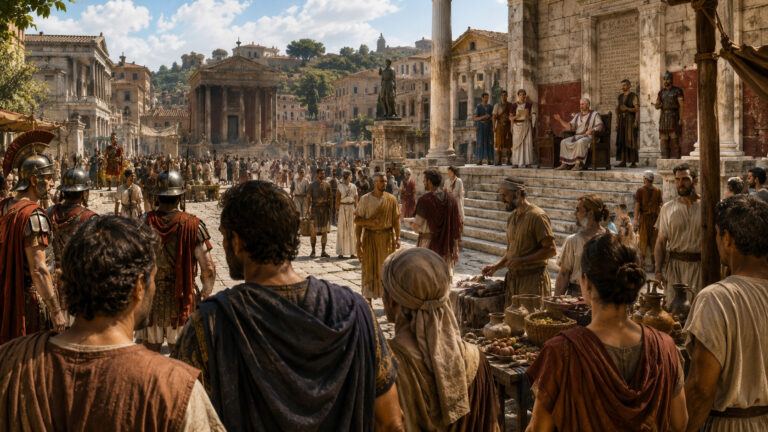
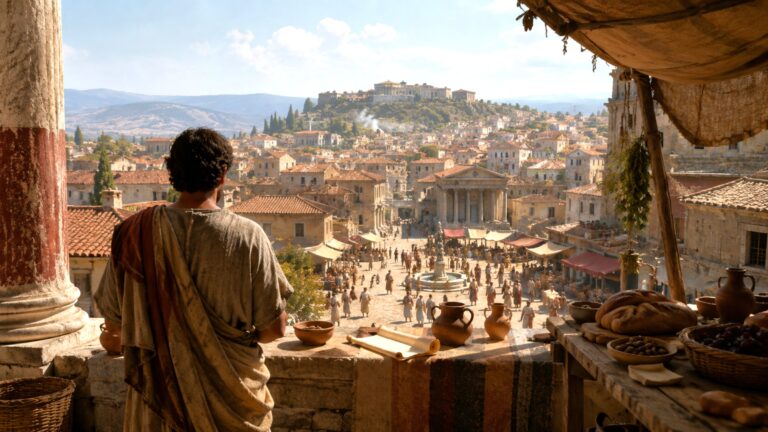
Walk through almost any city of the Roman Empire in the first century and you would hear dozens of languages spoken in the streets.
Merchants opened their shops. Laborers searched for work. Soldiers marched between government buildings. Travelers arrived with news from distant provinces. Children chased one another through crowded marketplaces while magistrates settled disputes only a few streets away.
At first glance, everyone seemed to share the same world.
Yet beneath the ordinary rhythm of daily life ran an invisible line.
Some people were Roman citizens.
Most were not.
That single distinction quietly influenced where a person stood in society, how the law treated them, and sometimes even whether they lived or died.
An Unseen Privilege
Unlike clothing or occupation, citizenship was often impossible to recognize simply by looking at someone.
A merchant selling pottery might be a Roman citizen while his assistant was not. Two neighbors could worship in the same synagogue or purchase goods in the same market yet possess very different legal standing.
Citizens enjoyed protections that others could only hope for. Roman law recognized their rights in ways that often did not extend to non-citizens. They could expect formal legal proceedings, appeal certain decisions, own property under Roman law, and were generally protected from punishments that provincial officials might inflict without hesitation on others.
Citizenship was never a guarantee of comfort or safety.
But it often determined how a person was treated when trouble came.
Living Inside the Empire
For most people, citizenship was simply one thread woven into everyday life.
It affected business agreements, travel, taxation, military service, and interactions with government officials. A person born into a Roman family inherited advantages that others might spend a lifetime trying to obtain.
Some earned citizenship through military service.
Others received it from an emperor as recognition for faithful service.
Still others purchased it during certain periods when citizenship became available for a price.
Most people, however, would never become Roman citizens.
They lived their entire lives under Roman authority while remaining outside the circle of its highest legal protections.
For many, that reality was simply accepted. It was part of the world as they had always known it.
When Paul Spoke Up
Against that backdrop, several moments in the Book of Acts become even more striking.
After Paul and Silas were beaten and imprisoned in Philippi, Paul quietly revealed that they were Roman citizens who had been punished without a trial. The city officials immediately realized they had violated Roman law and hurried to make matters right.
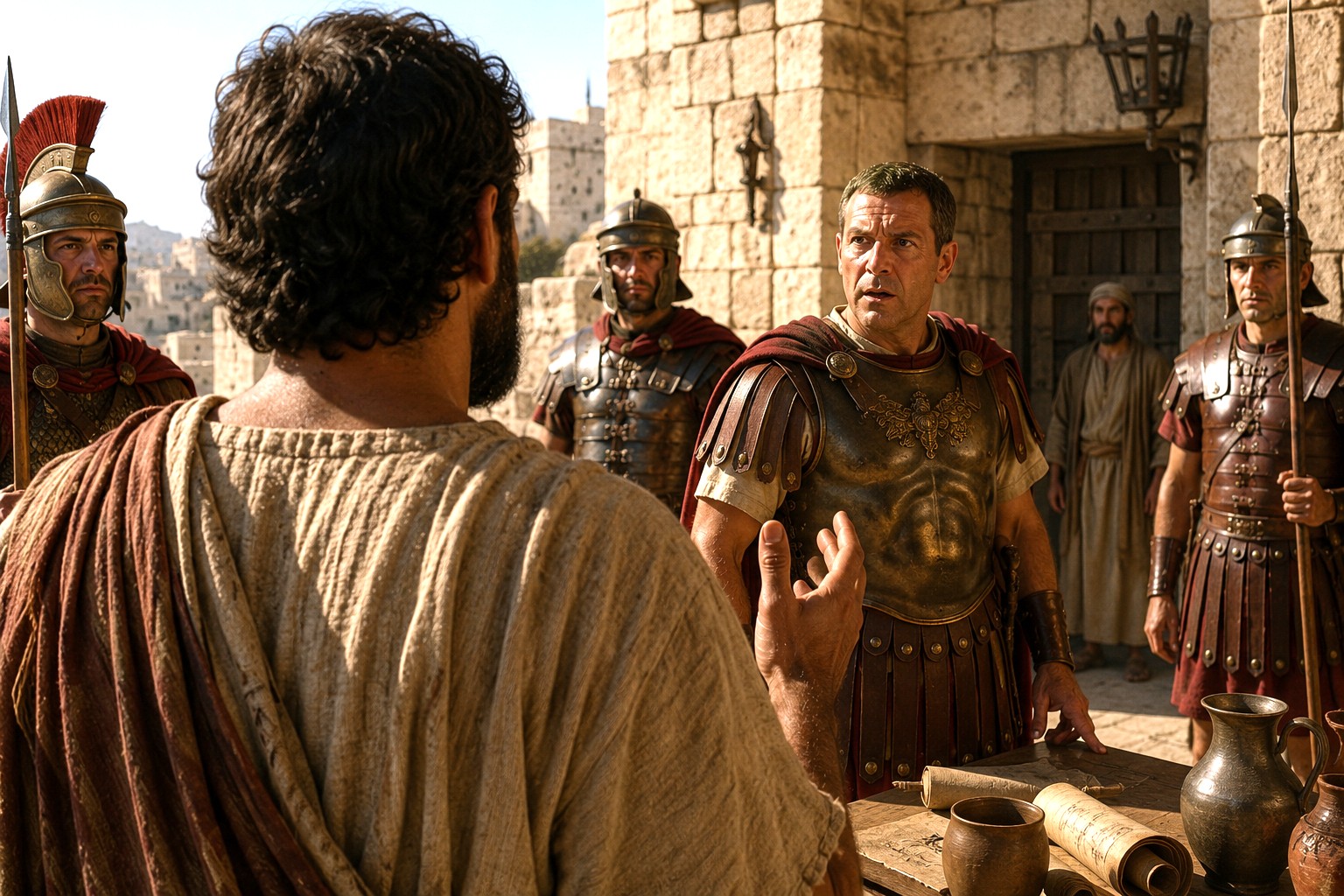
Years later, after Paul’s arrest in Jerusalem, a Roman commander prepared to have him scourged during questioning.
Paul asked a simple question.
“Is it lawful for you to flog a Roman citizen who hasn’t even been found guilty?”
Everything stopped.
The commander understood immediately that the situation had changed.
Near the end of Acts, Paul exercised yet another privilege reserved for Roman citizens by appealing directly to Caesar. That decision eventually carried him to Rome itself, where the gospel reached the capital of the empire through circumstances that no missionary strategy could have planned.
Luke records these episodes because they reveal something larger than Paul’s legal status. God often worked through the ordinary structures of the Roman world to accomplish extraordinary purposes.
A Different Kind of Citizenship
The influence of Rome extended beyond government and military affairs.
Most members of the early church were not Roman citizens.
Some were Jews. Others were Greeks, Syrians, Egyptians, Africans, or people from countless towns scattered across the empire. Many possessed little social standing. Some were slaves. Others were merchants, craftsmen, soldiers, or government officials.
The remarkable thing was not that these differences existed.
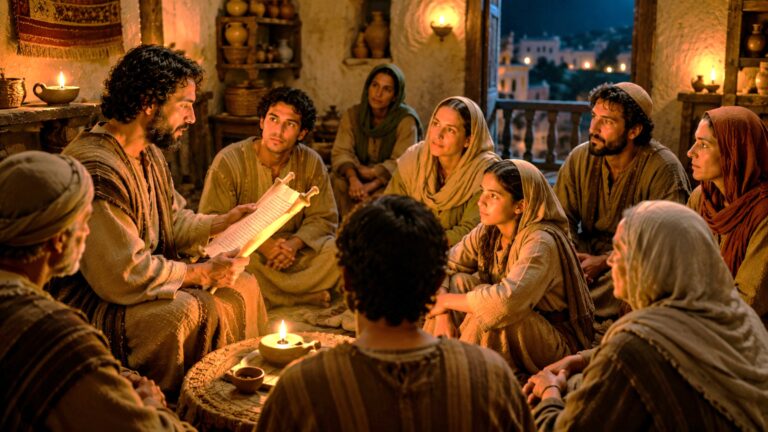
The remarkable thing was that they gathered at the same table.
Within the church, a person’s standing before God no longer depended upon legal privilege, wealth, ethnicity, or citizenship. Their deepest identity rested somewhere else.
Long before Rome’s power faded, the followers of Christ were already learning that the empire in which they lived was not the kingdom to which they ultimately belonged.
Why This Still Matters
Roman citizenship reminds us that the first Christians lived in a real political world with laws, governments, privileges, and inequalities much like our own.
When we read Acts, we are not stepping into a timeless religious story. We are entering cities where legal status mattered, where ordinary people navigated complex systems, and where the gospel spread through the ordinary realities of everyday life.
Yet woven quietly through the New Testament is another idea.
While Roman citizenship could provide remarkable privileges, it could never become a person’s deepest identity.
Writing to believers living in the Roman colony of Philippi—a city where citizenship carried unusual prestige—Paul reminded them that “our citizenship is in heaven.”
Those words did not diminish the importance of life in this world.
They simply placed it in its proper perspective. The first Christians respected the empire in which they lived, but they belonged to a kingdom that no emperor could establish and no empire could destroy.
Author Note
As we write the Nightingale Mountain Trilogy, we are continually reminded that history and faith were never separate worlds. The first Christians walked Roman streets, lived under Roman law, and spoke the languages of the empire. Yet they gradually discovered that their truest identity rested not in the citizenship they possessed—or lacked—but in the kingdom of Christ.
Featured Reading
If you enjoy exploring the historical world behind the New Testament, we invite you to continue the journey through the Nightingale Mountain Trilogy. The novels bring to life the people, places, and everyday realities of the first-century church, where history and faith meet through story.
Explore More
You can explore related posts across the remaining areas of the St. Hans blog: Nightingale Mountain Trilogy, Ministry & Church Leadership, Updates & Releases.
Frequently Asked Questions
What is Christian historical fiction?
Christian historical fiction is a genre that combines historical settings and storytelling with themes related to faith, spiritual life, and the lived experiences of people shaped by religious belief.
What are some popular settings for Christian historical fiction?
Common settings include biblical times, the Roman Empire, the early church, medieval Europe, the Reformation, and various periods of modern history.
Why do readers enjoy Christian historical fiction?
Many readers enjoy the combination of immersive history, emotionally grounded storytelling, spiritual themes, and meaningful human questions explored through another time and place.
What makes early church historical fiction unique?
Stories set in the early church world often combine Roman history, biblical context, cultural tension, persecution, travel, and the spread of Christianity throughout the Mediterranean world.
What is the Nightingale Mountain Trilogy about?
The Nightingale Mountain Trilogy is a Christian historical fiction series set in the first-century Roman world, exploring the lives of families and communities connected to the growth of the early church.
Written by D. D. Shiell — Author of the Nightingale Mountain Trilogy