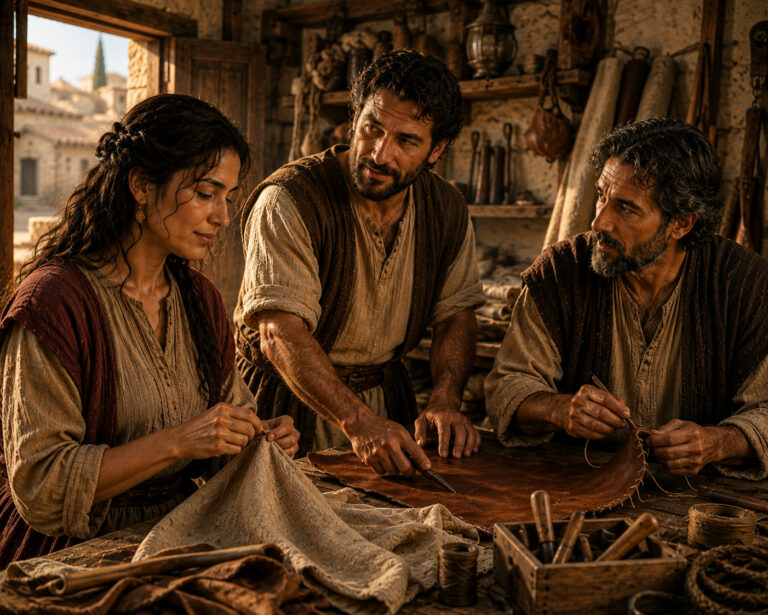
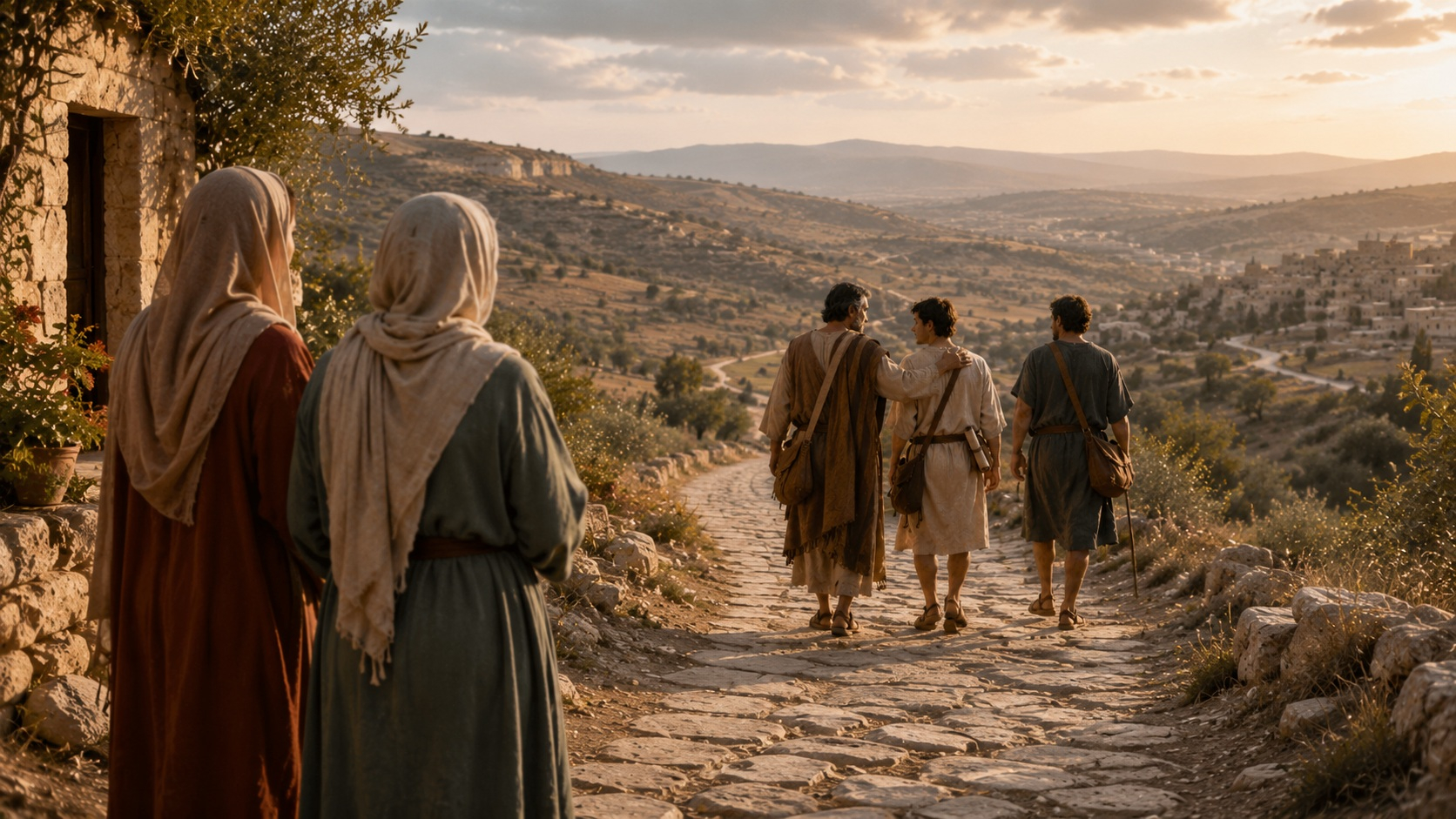
God often prepares people for ministry long before they recognize the purpose behind their experiences. Timothy’s story reminds us that even the circumstances of our birth can become part of God’s calling.
When Paul returned to Lystra several years after his first visit, one young disciple had earned the respect of believers in both Lystra and nearby Iconium.
His name was Timothy.
Paul invited him to join the missionary team, beginning one of the closest mentoring relationships recorded in the New Testament.
Yet Timothy’s preparation for that moment had begun years earlier.
Growing Up Between Two Worlds
Timothy’s childhood was unusual.
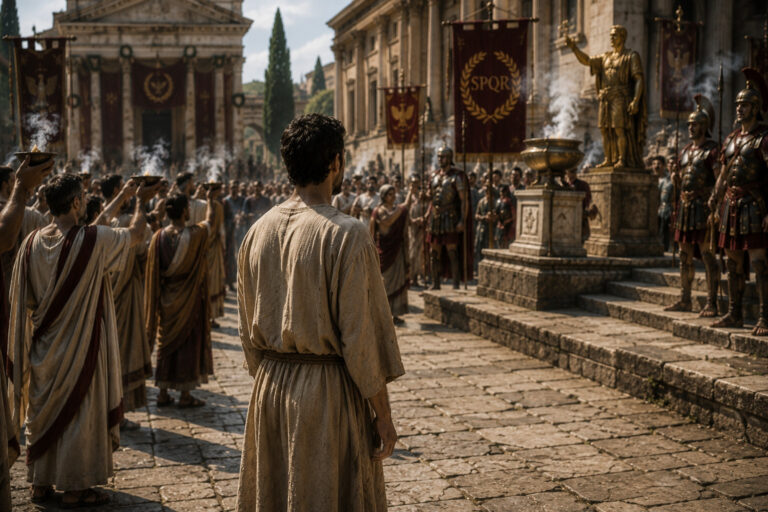
His mother, Eunice, and grandmother, Lois, faithfully taught him the Hebrew Scriptures, while his father was Greek. Timothy grew up at the meeting point of two cultures—a Jewish home shaped by the Scriptures and a Gentile city influenced by the customs of the Roman world.
When Paul first preached the gospel in Lystra, a new church was born. In the years that followed, Timothy quietly matured into a respected believer whose character became known throughout the region. What may once have seemed like a complicated family background would become one of his greatest strengths.
Paul’s First Lesson
Before Timothy joined the missionary journey, Paul made an unexpected decision.
He asked Timothy to be circumcised.
At first glance, the request seems surprising. Paul had strongly defended the truth that Gentile believers were not required to be circumcised in order to follow Christ.
But Timothy’s situation was different.
Because his mother was Jewish, many Jewish communities would have regarded Timothy as Jewish. Remaining uncircumcised would have created unnecessary barriers wherever Paul and Timothy entered synagogues to proclaim the gospel.
Paul was not asking Timothy to earn God’s acceptance.
He was teaching him one of ministry’s most enduring lessons:
Sometimes faithful service means willingly setting aside personal freedoms so that others can hear the good news without distraction.
Learning to Serve Others
Timothy learned that lesson well.
Paul gradually entrusted him with increasingly difficult assignments. He carried letters, strengthened struggling churches, encouraged discouraged believers, and represented Paul in places where wisdom and maturity were essential.
Paul’s letters reveal deep affection for his younger companion, but they also show high expectations.
He urged Timothy to remain faithful, guard the truth, lead by example, endure hardship, and continue teaching others.
Timothy was no longer simply learning from Paul. He was becoming the kind of leader who could prepare the next generation.
Passing the Faith Forward
One sentence from Paul’s second letter to Timothy captures that calling:
“The things you have heard me say in the presence of many witnesses entrust to faithful people who will be able to teach others also.”
Paul envisioned the gospel moving from one generation to the next—from teacher to student, from mentor to disciple, from one faithful believer to another.
Timothy became one of the vital links in that living chain.
Why This Still Matters
Most of us are shaped by people who invested in our lives long before we recognized their influence.
Parents.
Grandparents.
Teachers.
Pastors.
Faithful friends.
Timothy reminds us that God often prepares us through ordinary relationships and unexpected circumstances. Our background does not limit what God can do through us. Instead, in His hands, even the complexities of our lives can become opportunities to serve others and strengthen the next generation of believers.
Author Note
As we wrote the Nightingale Mountain Trilogy, we found Timothy’s story especially encouraging because it reminds us that God rarely prepares people in a straight line. Timothy’s upbringing, his mentors, and even the challenges of living between two cultures became part of God’s preparation for a lifetime of faithful service. His story encourages us to invest in others, just as others once invested in us.
Featured Reading
If you enjoy exploring the historical world behind the New Testament, we invite you to continue the journey through the Nightingale Mountain Trilogy. The novels bring to life the people, places, and everyday realities of the first-century church, where history and faith meet through story.
Explore More
You can explore related posts across the remaining areas of the St. Hans blog: Nightingale Mountain Trilogy, Ministry & Church Leadership, Updates & Releases.
Frequently Asked Questions
What is Christian historical fiction?
Christian historical fiction is a genre that combines historical settings and storytelling with themes related to faith, spiritual life, and the lived experiences of people shaped by religious belief.
What are some popular settings for Christian historical fiction?
Common settings include biblical times, the Roman Empire, the early church, medieval Europe, the Reformation, and various periods of modern history.
Why do readers enjoy Christian historical fiction?
Many readers enjoy the combination of immersive history, emotionally grounded storytelling, spiritual themes, and meaningful human questions explored through another time and place.
What makes early church historical fiction unique?
Stories set in the early church world often combine Roman history, biblical context, cultural tension, persecution, travel, and the spread of Christianity throughout the Mediterranean world.
What is the Nightingale Mountain Trilogy about?
The Nightingale Mountain Trilogy is a Christian historical fiction series set in the first-century Roman world, exploring the lives of families and communities connected to the growth of the early church.
Written by D. D. Shiell — Author of the Nightingale Mountain Trilogy