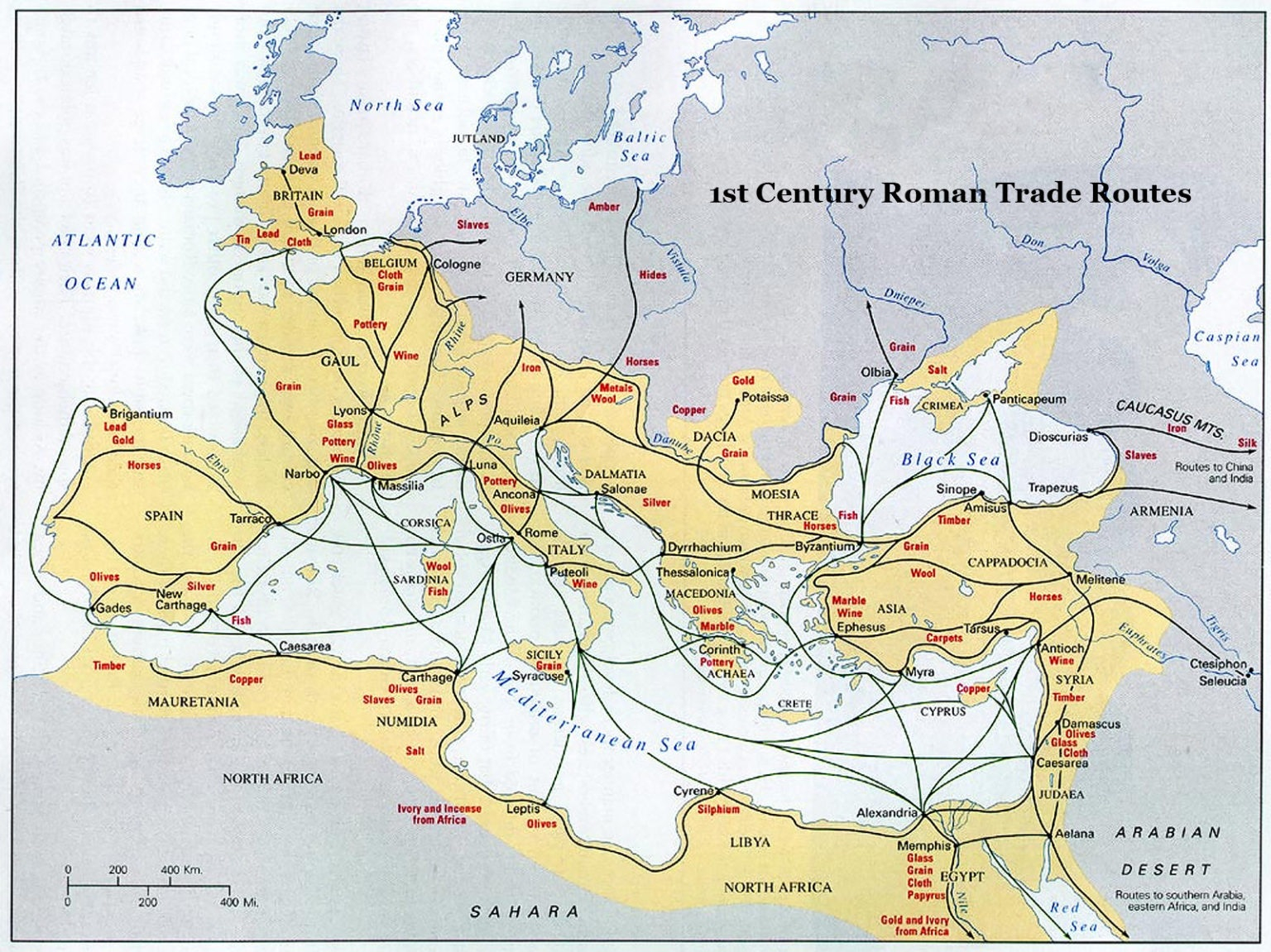
The Roman world was connected by water as much as by roads, and ships carried everything from grain to soldiers to prisoners across the Mediterranean.
When readers encounter sea voyages in the Book of Acts, it is easy to imagine a small vessel carrying a few passengers between ports. In reality, Mediterranean shipping formed part of a vast logistical network.
The Roman Empire relied on ships to move food, commerce, soldiers, and sometimes prisoners. Seeing how these vessels operated helps us understand the world through which Paul and the early followers of Jesus traveled.
The Types of Ships That Crossed the Mediterranean
Roman ships served different purposes depending on cargo and destination.
Large merchant vessels formed the backbone of Mediterranean trade. These ships carried grain, olive oil, wine, marble, and pottery. Grain ships traveling from Egypt to Rome were among the largest vessels of the ancient world and could carry hundreds of passengers along with their cargo.
Smaller coastal vessels moved goods between nearby ports. These ships often stayed close to shore and stopped frequently along their route.
Military ships were built for speed and maneuverability. War galleys relied on rows of oars and transported soldiers rather than cargo.
The ship that carried Paul to Rome appears to have been a merchant vessel—likely a grain ship—used to transport soldiers and prisoners during the journey.
Who Owned the Ships?
Most ships in the Roman world were privately owned.
Merchants and investors financed vessels and voyages, expecting profit from cargo trade across the Mediterranean. Some captains owned their ships; others managed vessels owned by investors.
The Roman government relied heavily on this commercial network. When officials needed transport for soldiers, administrators, or prisoners, they placed them aboard merchant ships already sailing along established routes.
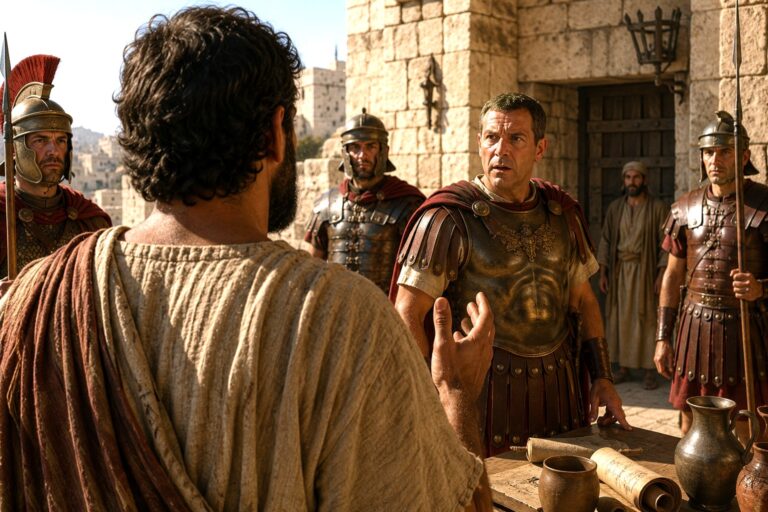
This explains why Paul changed ships during his journey. The centurion escort simply placed his prisoners aboard vessels traveling in the right direction.
Cargo Trade and Imperial Transport
Mediterranean shipping followed seasonal rhythms. The safest sailing months ran from late spring through early autumn. During winter storms, most long voyages paused.
Cargo ships dominated the sea lanes, carrying the goods that sustained Roman cities: grain, oil, wine, and manufactured products moving between provinces.
These ships often carried passengers as well. Commerce and imperial logistics frequently overlapped.
Acts reflects this pattern. Paul first boarded a ship from Adramyttium and later transferred to a large Alexandrian grain vessel bound for Italy. Cargo remained the primary purpose of the voyage. The passengers simply traveled alongside it.
Moving Prisoners Across the Empire
Roman courts sometimes required prisoners to travel long distances for trial or imprisonment. Provincial officials could send prisoners to Rome, especially if the accused appealed to Caesar.
Transport did not require special prison ships. Soldiers escorted prisoners aboard commercial vessels already sailing toward their destination.
A centurion might supervise several prisoners at once, moving them step by step along established routes.
This is exactly what happened to Paul.
He traveled across the empire on the same ships that carried merchants, cargo, and travelers. The journey that eventually led to his shipwreck began as an ordinary commercial voyage.
Why This Still Matters
When we picture the early Christian movement spreading across the Mediterranean, its reach can seem remarkable.
Yet the Roman world already possessed a network that connected distant regions. Roads linked provinces on land. Shipping lanes connected ports across the sea.
The empire built this system to sustain its cities and strengthen its power.
Yet those same ships carried something Rome never intended.
They carried the Good News across the empire.
Author Note
As we studied the voyages described in Acts, we began to notice how ordinary the mechanics of travel really were. The ships that carried Paul were not special vessels arranged for a mission. They were the everyday machinery of the Roman world—machinery that eventually carried the message of Jesus across the Mediterranean.
Explore More
You can explore related posts across the remaining areas of the St. Hans blog: Nightingale Mountain Trilogy, Ministry & Church Leadership, Updates & Releases.
Written by D. D. Shiell — Authors of the Nightingale Mountain Trilogy