The first Christians respected earthly authority whenever they could. But there were moments when faithfulness to God required them to choose whom they would obey.
For much of the first century, followers of Jesus were not viewed as enemies of Rome.
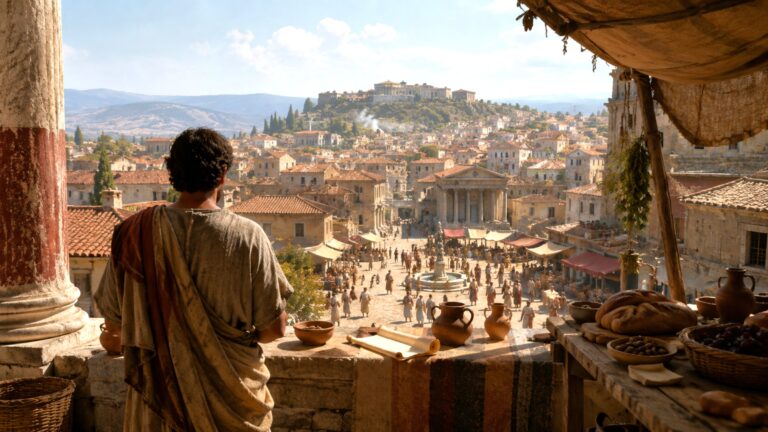
They worked ordinary jobs. Paid their taxes. Raised families. Traveled the Roman roads. Bought and sold goods in the marketplace. In many respects, they looked like everyone else around them.
Yet beneath those ordinary routines lay a growing tension.
The question was no longer simply who held authority.
The question became what happened when different authorities demanded different things.
Living Between Two Worlds
Jesus taught His followers to respect earthly authority.
He instructed them to render to Caesar what belonged to Caesar and to God what belonged to God.
The Apostle Paul urged believers to respect governing authorities.
Peter encouraged Christians to honor the emperor.
These teachings remind us that the early church was never founded upon political rebellion.
Christians generally sought to live peacefully within the societies where God had placed them.
When Obedience Reached Its Limit
There were moments, however, when earthly authority demanded what belonged only to God.
The apostles experienced this tension early.
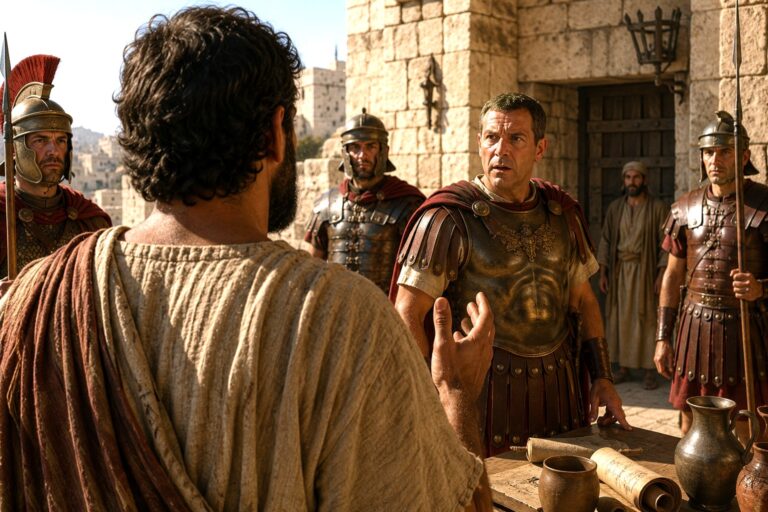
When ordered to stop teaching about Jesus, Peter and the other apostles answered with remarkable simplicity:
“We must obey God rather than men.”
Those words were neither defiant nor political.
They simply recognized that every human authority, however important, remained accountable to a higher authority.
For the early Christians, that conviction shaped countless decisions, both public and private.
Quiet Courage
Most conflicts between faith and power did not unfold before crowds.
Many happened quietly.
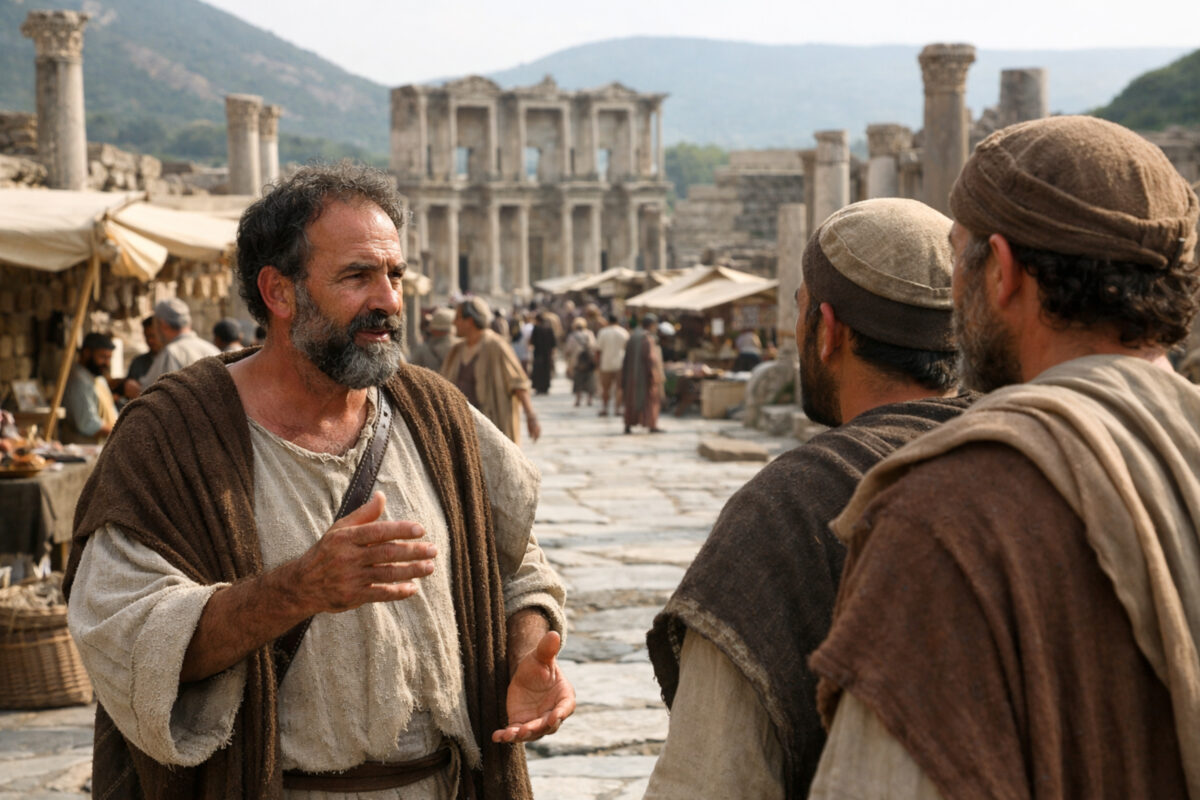
A merchant deciding whether to participate in a ceremony honoring pagan gods.
A craftsman choosing integrity over financial advantage.
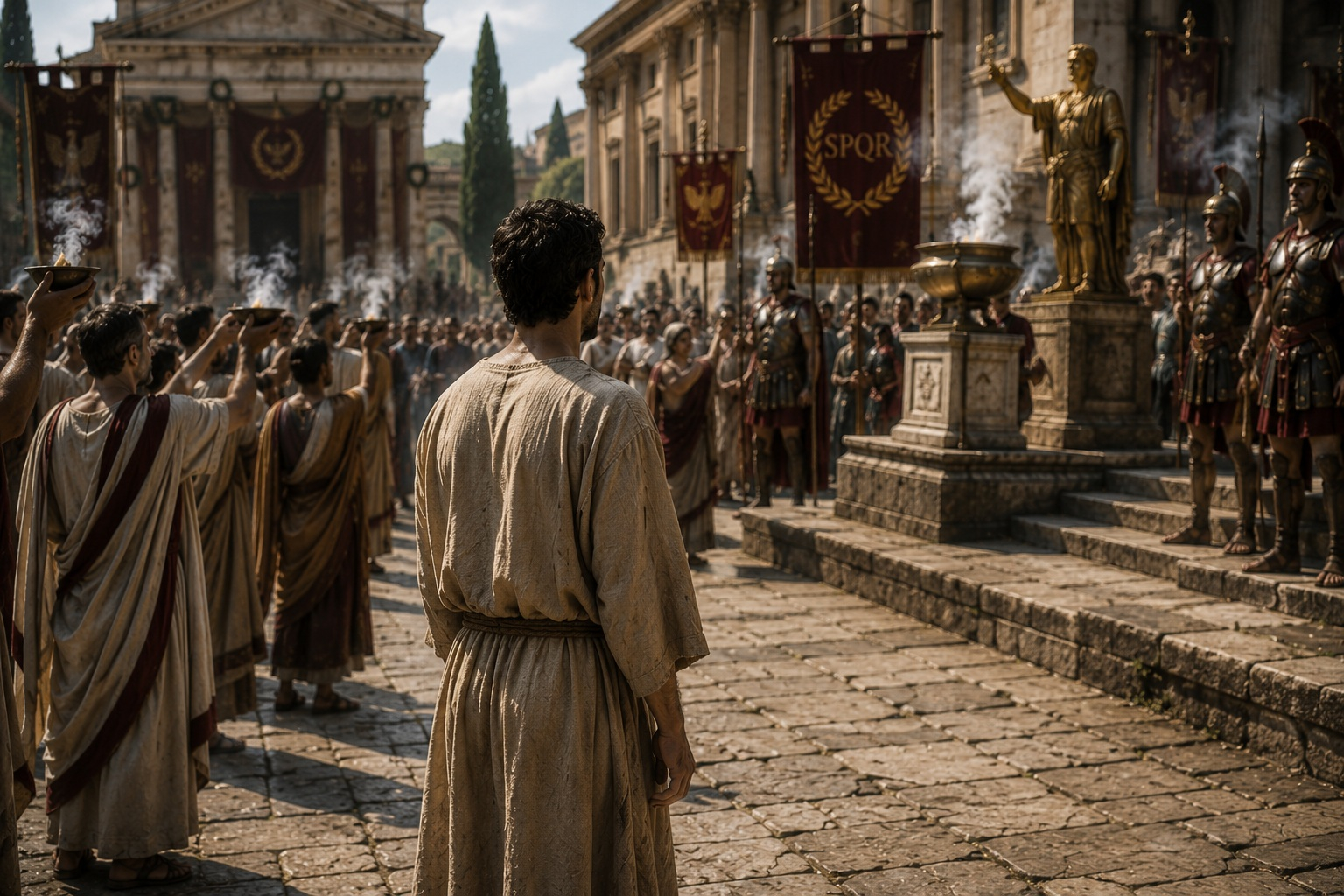
A believer refusing to worship the emperor despite growing social pressure.
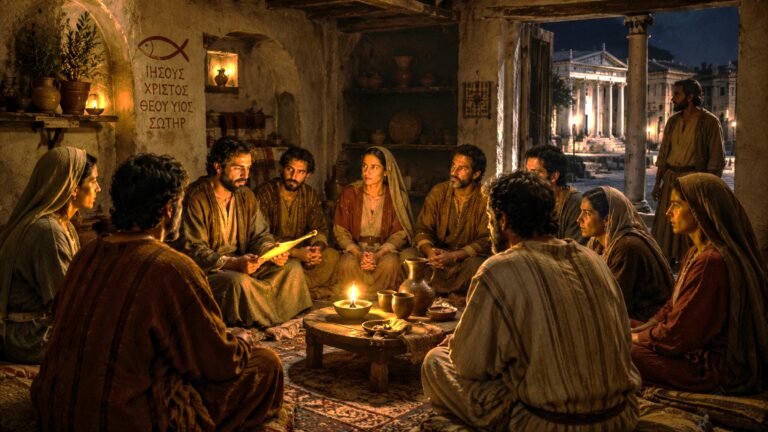
A family continuing to gather with fellow Christians even when neighbors viewed them with suspicion.
These were not dramatic acts of revolution.
They were ordinary acts of faithfulness.
One decision at a time.
The Cost of Conviction
As the church spread throughout the Roman world, these moments became increasingly common.
Many officials ignored Christians.
Others viewed them with curiosity.
Still others regarded their refusal to honor the emperor or participate in civic religious practices as a threat to public order.
The collision was seldom about politics alone.
It was about ultimate allegiance.
Who deserved humanity’s highest loyalty?
That question could not remain theoretical forever.
Why This Still Matters
The first Christians remind us that faithfulness is often expressed through ordinary choices long before it is tested in extraordinary moments.
Most of us will never stand before a Roman governor or emperor.
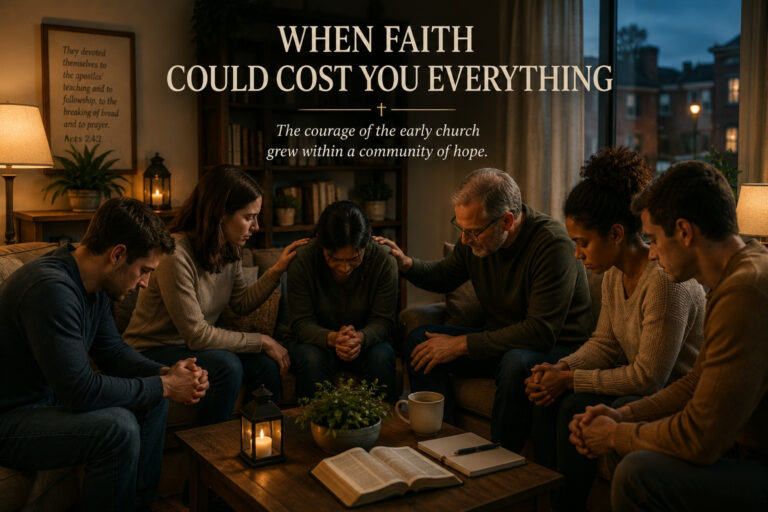
Yet we still encounter situations where competing loyalties ask us to decide what matters most.
The earliest believers respected earthly authority whenever they could.
But they also understood that every earthly authority has limits.
Their highest allegiance belonged to God.
That quiet conviction shaped the church long before it changed the world.
Author Note
As we wrote the Nightingale Mountain Trilogy, we found ourselves returning again and again to these moments of quiet decision. The early Christians were not defined only by dramatic trials or public acts of courage. More often, they were shaped by ordinary choices to remain faithful when competing loyalties pulled in different directions.
Featured Reading
If you enjoy exploring the historical world behind the New Testament, we invite you to continue the journey through the Nightingale Mountain Trilogy. The novels bring to life the people, places, and everyday realities of the first-century church, where history and faith meet through story.
Explore More
You can explore related posts across the remaining areas of the St. Hans blog: Nightingale Mountain Trilogy, Ministry & Church Leadership, Updates & Releases.
Frequently Asked Questions
What is Christian historical fiction?
Christian historical fiction is a genre that combines historical settings and storytelling with themes related to faith, spiritual life, and the lived experiences of people shaped by religious belief.
What are some popular settings for Christian historical fiction?
Common settings include biblical times, the Roman Empire, the early church, medieval Europe, the Reformation, and various periods of modern history.
Why do readers enjoy Christian historical fiction?
Many readers enjoy the combination of immersive history, emotionally grounded storytelling, spiritual themes, and meaningful human questions explored through another time and place.
What makes early church historical fiction unique?
Stories set in the early church world often combine Roman history, biblical context, cultural tension, persecution, travel, and the spread of Christianity throughout the Mediterranean world.
What is the Nightingale Mountain Trilogy about?
The Nightingale Mountain Trilogy is a Christian historical fiction series set in the first-century Roman world, exploring the lives of families and communities connected to the growth of the early church.
Written by D. D. Shiell — Author of the Nightingale Mountain Trilogy